Cuban Ropa Vieja
 Save
Save
The first time I tasted my grandmother’s Ropa Vieja, the kitchen was humming with the low thrum of a Sunday radio station and the scent of simmering onions drifting through the hallway. I still remember the moment I lifted the heavy lid off the pot and a cloud of amber‑colored steam rose like a warm hug, carrying with it the sweet perfume of caramelized tomatoes, smoky cumin, and a whisper of citrus that made my eyes water. It was more than a meal; it was a story told in layers of flavor, a reminder that the best dishes are the ones that bring families together around a single, steaming bowl. Have you ever wondered why a simple stew can feel like a celebration every single time?
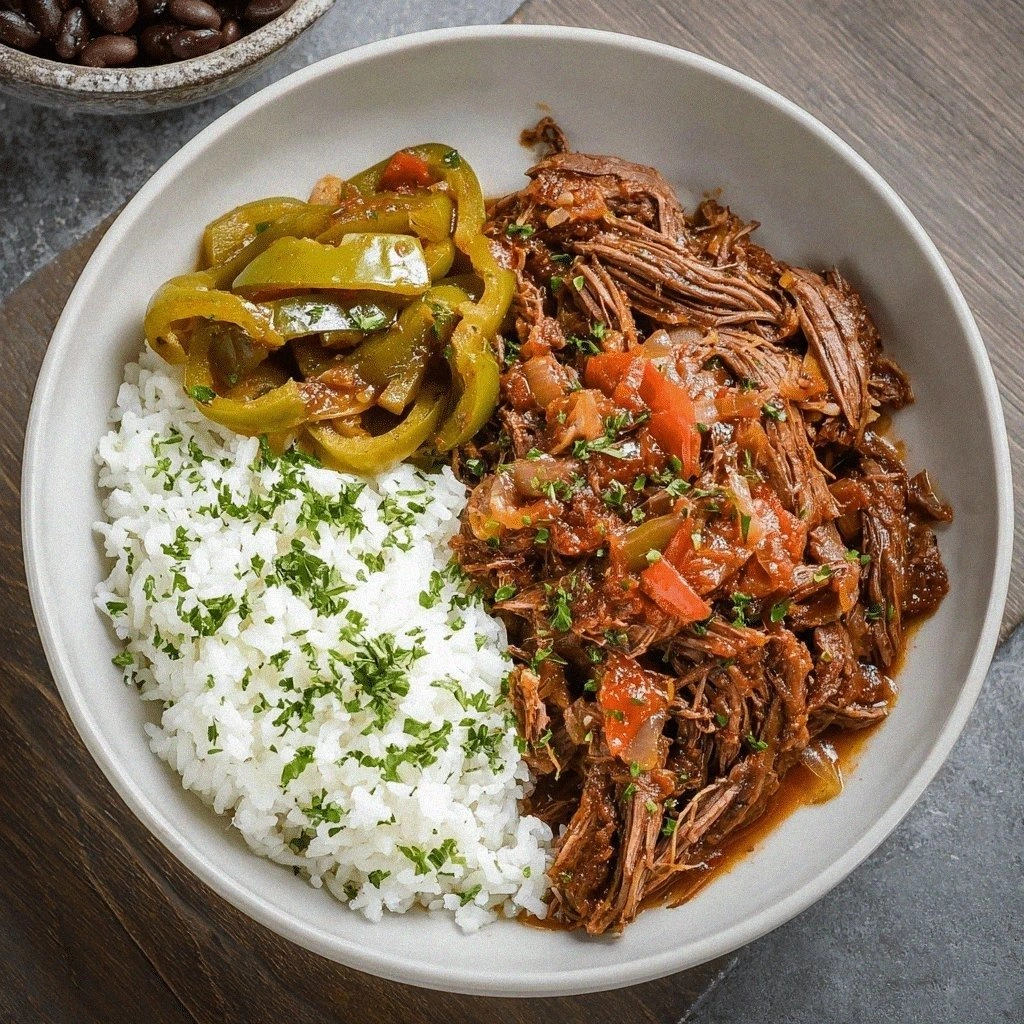
Ropa Vieja, which translates to “old clothes,” earned its name because the shredded beef looks like tattered fabric floating in a rich, red‑gold broth. The magic happens when the beef, after a gentle braise, falls apart into tender strands that soak up every aromatic note we pour in. I still recall the first time I tried to rush the process – the beef stayed stubbornly tough, the sauce never thickened, and the whole dish felt flat. That disappointment taught me the importance of patience, timing, and a few secret tricks that turn a good Ropa Vieja into an unforgettable centerpiece.
In this article, I’m going to walk you through every step of recreating that beloved Cuban classic, from selecting the perfect cut of meat to plating it with a flourish that will make your guests ask for seconds. Along the way, I’ll sprinkle in personal anecdotes, a few “did you know?” tidbits, and the exact moments where a tiny tweak can make a world of difference. But wait – there’s a secret ingredient most people skip, and it’s the key to that deep, lingering flavor that keeps you coming back for more. Trust me, you’ll want to know what it is before you even start chopping.
Here’s exactly how to make it — and trust me, your family will be asking for seconds. Grab your favorite pot, gather the ingredients, and get ready to let your kitchen fill with the aromas of a true Cuban fiesta. The journey from raw beef to melt‑in‑your‑mouth Ropa Vieja is about to begin, and the best part? You’ll be able to call it your own, with a few personal twists that will make it a staple at every gathering.
🌟 Why This Recipe Works
- Flavor Depth: The combination of slow‑braised flank steak with a tomato‑based broth creates a layered taste that deepens as it rests. Each bite delivers a balance of sweet, savory, and smoky notes that linger on the palate.
- Texture Harmony: By shredding the beef after a gentle simmer, you achieve a melt‑in‑your‑mouth tenderness while the vegetables retain a slight bite, giving the dish a pleasing contrast.
- Ease of Execution: Although it sounds elaborate, the recipe uses just one pot and a handful of pantry staples, making it approachable for cooks of any skill level.
- Time Efficiency: The total hands‑on time is under 20 minutes; the rest is passive cooking, allowing you to prep side dishes or enjoy a quick chat while the flavors develop.
- Versatility: Ropa Vieja pairs beautifully with rice, black beans, plantains, or even a simple green salad, letting you customize the meal to suit any occasion.
- Nutrition Boost: Lean flank steak provides high‑quality protein, while the vegetables add fiber, vitamins, and antioxidants, making the dish both hearty and wholesome.
- Ingredient Quality: The recipe highlights the importance of fresh aromatics and a good-quality canned tomato, which together elevate the overall flavor profile.
- Crowd‑Pleasing Factor: The vibrant color, aromatic steam, and comforting texture make it a guaranteed hit at family gatherings, potlucks, and even formal dinner parties.
🥗 Ingredients Breakdown
The Foundation – Beef & Liquid Base
Flank steak (or skirt steak) is the traditional cut for Ropa Vieja because it has enough connective tissue to become tender when braised, yet it shreds beautifully once cooked. When selecting beef, look for a piece with a thin layer of fat on one side – this will render into the sauce, adding richness without making the dish greasy. If flank steak is unavailable, a well‑trimmed chuck roast works as a sturdy substitute, though you’ll need a slightly longer simmer to achieve the same tenderness. The broth, typically low‑sodium beef broth, acts as the carrier for all the spices, ensuring every strand of meat is infused with flavor. A splash of dry white wine (optional) adds acidity that balances the sweetness of the tomatoes and helps lift the meat’s natural richness.
Aromatics & Spices – The Soul of the Stew
Onions, both white and sweet yellow, are diced and sautéed until translucent, creating a fragrant foundation that underpins the entire dish. Green and red bell peppers contribute a subtle sweetness and a pop of color, while garlic cloves, minced finely, release a pungent aroma that instantly makes the kitchen feel alive. Ground cumin and dried oregano are the hallmark Cuban spices; cumin adds an earthy warmth, and oregano offers a slightly bitter, herbaceous edge that cuts through the richness. A bay leaf, added early in the simmer, releases a gentle, floral note that deepens the broth’s complexity. Finally, a pinch of smoked paprika can be introduced for a whisper of smokiness that mimics the flavor of traditional wood‑fired cooking.
The Secret Weapons – Sweet & Salty Accents
Canned diced tomatoes and a tablespoon of tomato paste bring acidity and body, turning the broth into a luscious, ruby‑red sauce. Green olives and capers contribute briny bursts that echo the Caribbean’s love for salty, tangy finishes. A handful of golden raisins adds an unexpected hint of sweetness that balances the acidity and brings a subtle depth often missed in quicker versions. If you’re feeling adventurous, a splash of sherry vinegar at the end brightens the dish, making the flavors sing. These “secret weapons” are what transform a simple stew into a dish that feels both rustic and refined.
Finishing Touches – Herbs, Oil & Garnish
Extra‑virgin olive oil is drizzled at the beginning to sauté the aromatics, and a final drizzle before serving adds a silky sheen. Fresh cilantro, chopped just before plating, provides a bright, citrusy contrast that lifts the heaviness of the meat. A squeeze of lime juice at the very end can awaken the flavors, especially if you’re serving the Ropa Vieja with rice and beans. Salt and freshly cracked black pepper are added gradually, allowing you to control the seasoning precisely. Remember, the key is to taste as you go – a well‑seasoned Ropa Vieja sings, while an under‑seasoned one whispers.
With your ingredients prepped and ready, let's get cooking. Here’s where the fun really begins…
🍳 Step-by-Step Instructions
🔐 Expert Tips for Perfect Results
The Taste Test Trick
A few minutes before you finish cooking, scoop a spoonful of the sauce and let it cool on the back of your hand. If the flavor is balanced – sweet, salty, and a hint of acidity – you’ve nailed the seasoning. If it feels flat, add a pinch more salt or a splash of vinegar; the key is to adjust gradually, tasting after each addition. I once added too much cumin, and the dish became overpowering; a quick fix was a dash of cream to mellow it out, but next time I’ll be more careful with the spice.
Why Resting Time Matters More Than You Think
After the stew is done, let it sit off the heat for 10‑15 minutes before serving. This resting period allows the flavors to meld, and the meat continues to absorb the sauce, becoming even more succulent. I’ve found that dishes that rest taste richer, as the liquid redistributes evenly throughout the shredded strands. If you’re in a hurry, cover the pot and keep it warm on low; just remember that a brief rest still makes a noticeable difference.
The Seasoning Secret Pros Won’t Tell You
Professional chefs often finish stews with a pinch of sugar or a drizzle of honey to counterbalance acidity. In Ropa Vieja, a teaspoon of brown sugar can subtly enhance the natural sweetness of the tomatoes without making the dish sugary. I discovered this trick when a friend from a Cuban restaurant suggested a “sweet finish,” and the result was a harmonious depth that made the sauce sing.
The Power of a Good Stock
Using a high‑quality, low‑sodium beef broth is a game‑changer. Store‑bought broths can be overly salty, forcing you to cut back on added salt and end up with a bland stew. I make a quick homemade stock by simmering beef bones with carrots, celery, and a splash of apple cider vinegar for an hour – it adds a subtle richness that elevates the entire dish.
Don’t Forget the Garnish
A final sprinkle of fresh cilantro and a squeeze of lime juice right before serving adds a burst of freshness that cuts through the richness. It’s a small step, but it makes the dish feel bright and balanced. I once omitted the garnish in a rush, and the stew tasted fine, but the visual appeal and the final zing were missing – a reminder that the finishing touches matter as much as the cooking process.
🌈 Delicious Variations to Try
One of my favorite things about this recipe is how versatile it is. Here are some twists I’ve tried and loved:
Tropical Pineapple Ropa Vieja
Add a cup of fresh pineapple chunks during the last 10 minutes of simmering. The pineapple’s natural sweetness brightens the sauce and adds a juicy texture that contrasts nicely with the tender beef. This version feels like a Caribbean vacation on a plate.
Smoky Chipotle Ropa Vieja
Replace the smoked paprika with two minced chipotle peppers in adobo sauce for a smoky heat. The chipotle adds depth and a gentle fire that’s perfect for cooler evenings. Pair it with a simple corn salad to balance the spice.
Vegetarian “Ropa Vieja”
Swap the beef for shredded jackfruit or firm tofu, and use vegetable broth instead of beef broth. The same blend of aromatics, tomatoes, olives, and raisins creates a hearty, plant‑based version that still feels authentic. Serve with quinoa for a protein‑packed meal.
Coconut‑Infused Ropa Vieja
Stir in half a cup of coconut milk during the final simmer for a creamy, tropical twist. The coconut adds a subtle sweetness and a silky texture that pairs wonderfully with the tangy olives. Garnish with toasted coconut flakes for added crunch.
Spicy Harissa Ropa Vieja
Mix a tablespoon of North African harissa paste into the sauce for a bold, spicy, and slightly smoky flavor profile. The harissa’s complex heat elevates the dish, making it perfect for those who love a serious kick. Serve with a cooling cucumber‑yogurt sauce to tame the heat.
📦 Storage & Reheating Tips
Refrigerator Storage
Allow the Ropa Vieja to cool to room temperature before transferring it to an airtight container. It will keep for up to four days in the fridge, and the flavors actually improve after a night as the meat continues to absorb the sauce. When reheating, add a splash of broth or water to prevent drying out.
Freezing Instructions
Portion the stew into freezer‑safe bags or containers, leaving a little headspace for expansion. It freezes beautifully for up to three months. To thaw, move the bag to the refrigerator overnight, then reheat gently on the stovetop over low heat, stirring occasionally.
Reheating Methods
For stovetop reheating, use a low flame and a splash of broth, stirring until the sauce regains its glossy sheen. In the microwave, cover the bowl loosely with a vented lid and heat in 30‑second intervals, stirring between each to ensure even warmth. The secret to reheating without losing moisture? A drizzle of olive oil or a knob of butter added at the end restores the luxurious mouthfeel.
❓ Frequently Asked Questions
Can I use a different cut of meat instead of flank steak?
Do I have to add raisins? I’m not a fan of sweet in savory dishes.
How can I make this recipe gluten‑free?
Can I make Ropa Vieja in a slow cooker?
What side dishes pair best with Ropa Vieja?
Is it okay to add more liquid if the sauce gets too thick?
Can I make this dish spicier?
How long can I keep leftovers before they go bad?
When everything is ready, ladle a generous portion of the stew onto a warm plate, allowing the sauce to pool around the shredded beef. Sprinkle freshly chopped cilantro over the top, and if you love a little heat, add a few dashes of hot sauce or a pinch of crushed red pepper flakes. The final presentation should look vibrant: deep red sauce, bright green cilantro, and the tender meat glistening with olive oil. Serve immediately, and watch as your family dives in, their eyes lighting up at the aroma.
And there you have it! But before you dig in, let me share some tips that will take this from great to absolutely unforgettable…
Similar Recipes
 Dinner
Balsamic Grilled Portobello Burgers: A Deliciously Healthy Alternative
Delicious Balsamic Grilled Portobello Burgers: A Deliciously Healthy Alternative
 Dinner
Easy One Pot Creamy Tomato Pasta: A Delightful Weeknight Dinner
Delicious Easy One Pot Creamy Tomato Pasta: A Delightful Weeknight Dinner
 Dinner
savory roasted root vegetable medley with garlic and rosemary for dinners
Learn how to make delicious savory roasted root vegetable medley with garlic and rosemary for dinners.…
 Dinner
sweet cranberry orange meatballs for christmas eve family dinners
Wow guests with these easy, festive cranberry-orange meatballs—juicy, tangy & ready in 30 min. Perfect for…
 Dinner
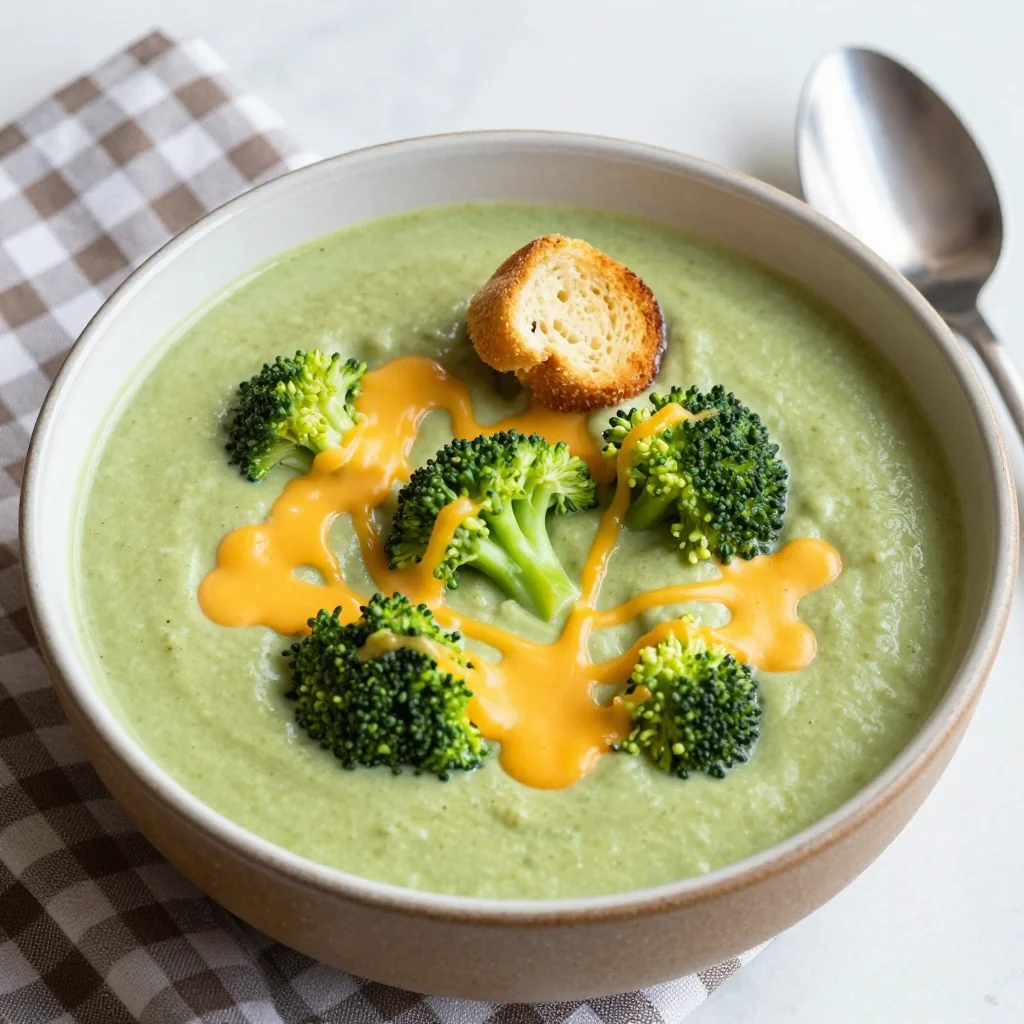
Kid Friendly Cheesy Broccoli Soup for Cozy Dinners
Learn how to make delicious Kid Friendly Cheesy Broccoli Soup for Cozy Dinners. Easy recipe with…
 Dinner
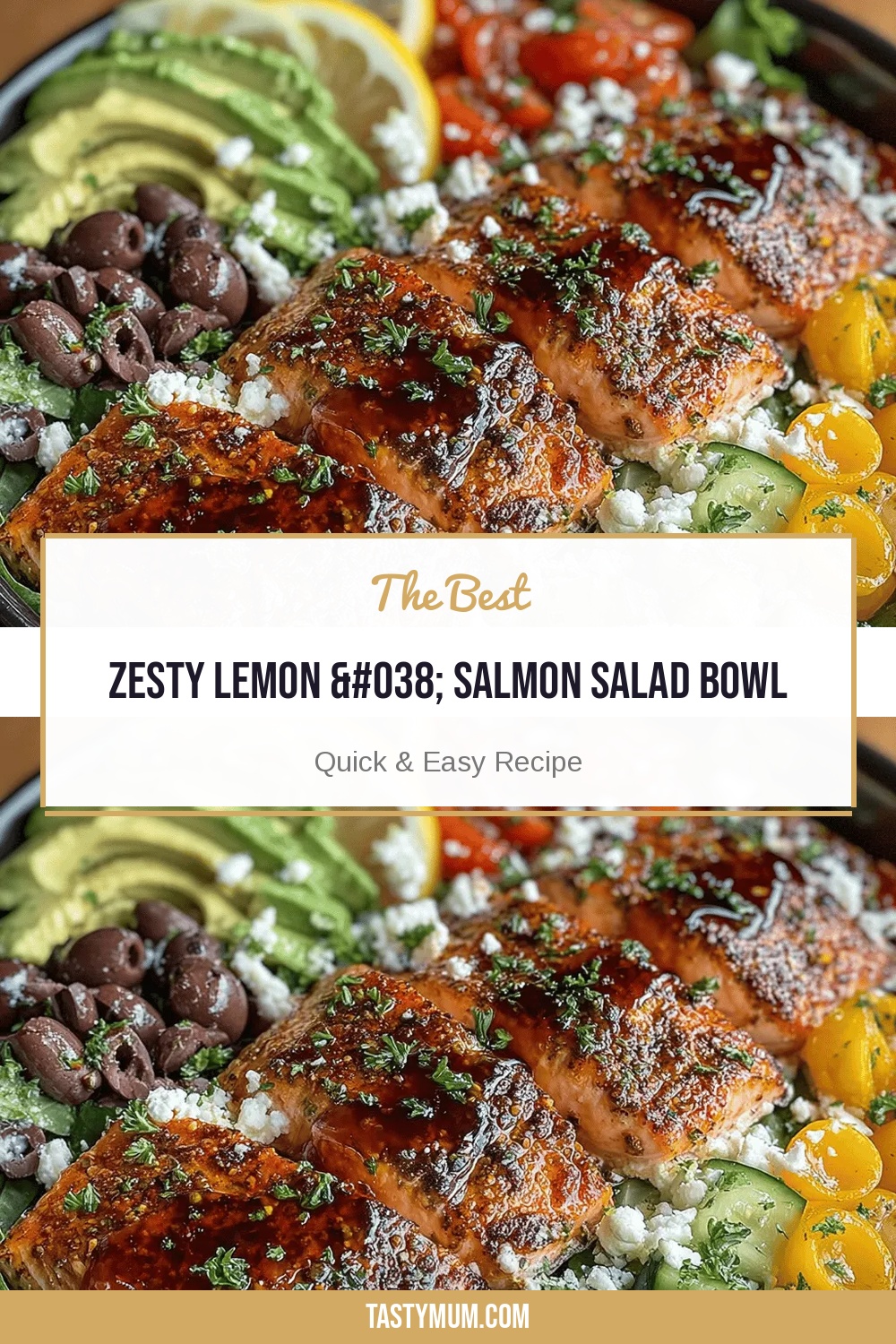
Zesty Lemon & Salmon Salad Bowl
Delicious Zesty Lemon & Salmon Salad Bowl
 Dinner
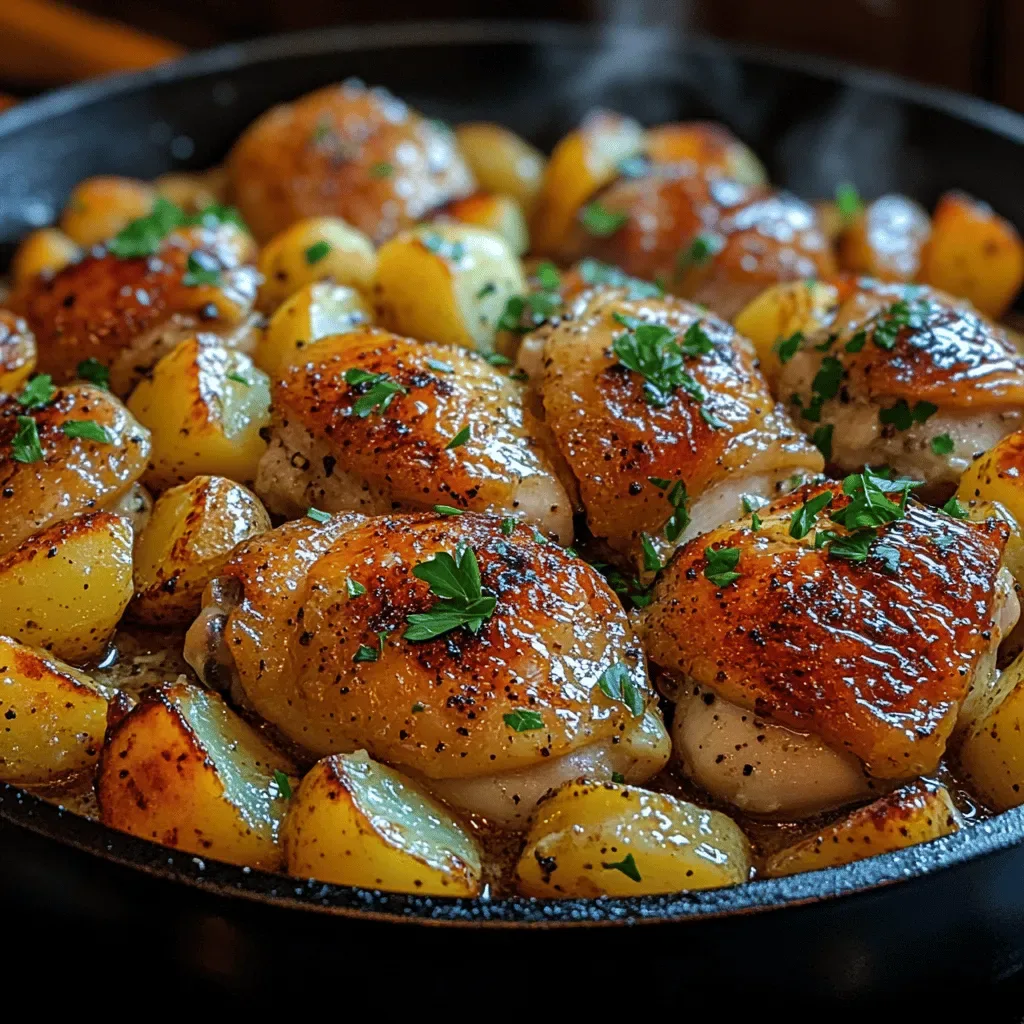
Garlic Butter Chicken and Potatoes Skillet: A Flavorful One-Pan Delight
Delicious Garlic Butter Chicken and Potatoes Skillet: A Flavorful One-Pan Delight
 Dinner
Grilled Chicken Bacon Ranch Wraps Recipe
Delicious Grilled Chicken Bacon Ranch Wraps Recipe

Clara
I cook these recipes at home before they ever land here — simple ingredients, clear steps.