Sweet Potato Cinnamon Crunch Casserole
 Save
Save
It was a crisp November afternoon, the kind where the wind whistles through the maple trees and the kitchen smells like a warm hug. I was pulling a tray of freshly baked apple pie from the oven when my niece, eyes wide with curiosity, asked if there was anything that could capture the same cozy feeling without the fuss of a pie crust. That’s when the idea for Sweet Potato Cinnamon Crunch Casserole was born—an effortless, crowd‑pleasing dish that marries the earthy sweetness of sweet potatoes with the aromatic embrace of cinnamon, all crowned by a buttery, caramelized crunch. The moment you lift the lid, a cloud of fragrant steam hits you, swirling with notes of toasted pecans and vanilla, and you instantly feel that familiar sense of homecoming.
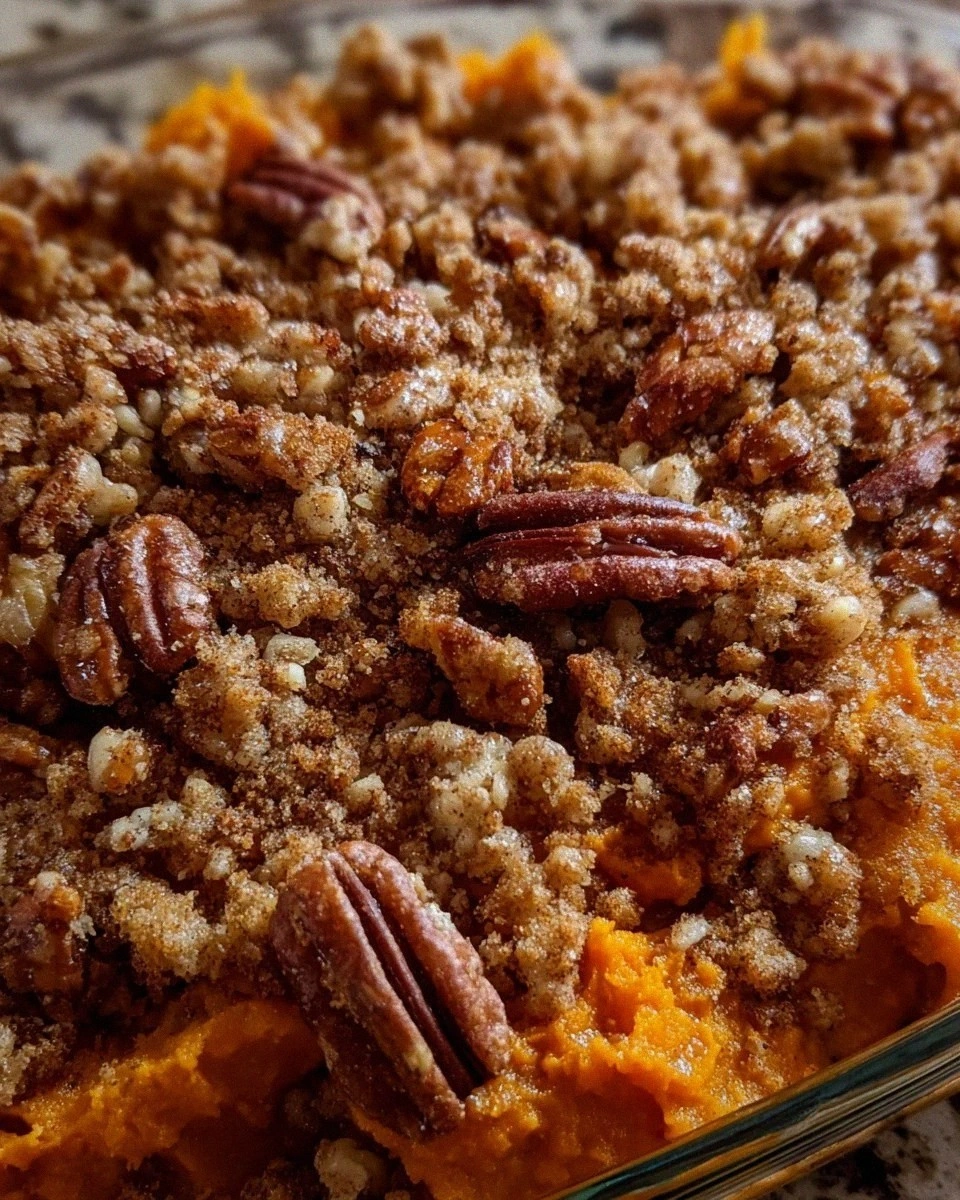
What makes this casserole truly special is its ability to be both a comforting side and a star dessert, depending on how you serve it. Imagine a golden‑brown top that crackles under your spoon, revealing a silky, custardy interior that glistens with a hint of caramel. The layers of flavor build on each other like a well‑written story—each bite reveals a new chapter, from the sweet, buttery base to the spice‑kissed middle, and finally the nutty, crunchy finale. And the best part? You don’t need any exotic ingredients or a culinary degree; everything lives right in your pantry, ready to transform an ordinary weeknight into a festive celebration.
But wait—there’s a secret technique tucked into step four that will take the texture from good to unforgettable, and I’ll spill the beans later. Have you ever wondered why restaurant versions of sweet potato casseroles always have that perfectly crisp topping while homemade attempts sometimes fall flat? The answer lies in a simple butter‑flour‑sugar blend that, when toasted just right, creates a caramelized crust that clings lovingly to every bite. I’ll walk you through that trick, and trust me, your family will be asking for seconds before the casserole even cools.
Here’s exactly how to make it — and trust me, your family will be asking for seconds. Grab a bowl, preheat your oven, and let’s embark on a culinary adventure that will fill your home with warmth, aroma, and a dash of nostalgia. Ready? Let’s dive into the magic of Sweet Potato Cinnamon Crunch Casserole.
🌟 Why This Recipe Works
- Flavor Depth: The natural sugars in sweet potatoes caramelize during baking, creating a deep, honey‑like sweetness that pairs perfectly with the warm spice of cinnamon. This synergy ensures every forkful feels rich without being cloyingly sweet.
- Texture Contrast: A creamy, custard‑like interior meets a crunchy, buttery topping, delivering a satisfying bite that keeps diners engaged from the first spoonful to the last.
- Ease of Preparation: Most steps involve simple mixing and layering; there’s no need for intricate techniques, making it ideal for busy weeknights or holiday gatherings alike.
- Time Efficiency: With a prep time of just 15 minutes and a bake time of 30 minutes, you can have a comforting, oven‑baked dish on the table faster than you can set the table.
- Versatility: Serve it as a side dish alongside roasted turkey, as a hearty breakfast with a dollop of Greek yogurt, or even as a sweet dessert topped with a scoop of vanilla ice cream.
- Nutrition Boost: Sweet potatoes are packed with beta‑carotene, fiber, and vitamin C, while pecans add heart‑healthy fats and a dose of protein, making the casserole a balanced indulgence.
- Crowd‑Pleasing Factor: The familiar flavors of cinnamon, butter, and brown sugar appeal to both kids and adults, turning even the pickiest eaters into enthusiastic fans.
- Ingredient Quality: By using fresh, high‑quality sweet potatoes and real unsalted butter, you elevate the dish from everyday comfort food to a gourmet experience.
🥗 Ingredients Breakdown
The Foundation: Sweet Potatoes & Butter
Sweet potatoes are the heart and soul of this casserole. Their vibrant orange flesh not only adds a gorgeous color but also brings a natural, mellow sweetness that reduces the need for excessive added sugar. When you choose potatoes, look for firm, unblemished ones with smooth skin—these will mash smoothly and hold their shape during baking. If you have a chance, opt for “Beauregard” or “Jewel” varieties; they’re known for their creamy texture and rich flavor. Unsalted butter, melted and folded into the mash, introduces a luxurious mouthfeel and a buttery aroma that makes the dish irresistibly comforting.
Aromatics & Spices: Sugar, Eggs, Milk, Vanilla, Cinnamon, Salt
Granulated sugar is the subtle sweetener that balances the earthiness of the potatoes, while the light brown sugar in the topping adds depth with its molasses undertones. Eggs act as the binding agent, creating a custard‑like interior that sets beautifully as it bakes. Whole milk contributes moisture, ensuring the casserole stays tender and velvety rather than dry. A splash of vanilla extract weaves in a warm, fragrant note that harmonizes with the cinnamon—our aromatic hero that delivers that cozy, holiday feel. A pinch of salt is the unsung champion, amplifying every flavor and preventing the dish from tasting flat.
The Secret Weapons: Flour, Oats, Pecans
All‑purpose flour is the backbone of the crunchy topping; when mixed with butter and sugars, it forms a crumbly streusel that turns golden and crisp in the oven. If you’re avoiding gluten, a 1‑to‑1 gluten‑free flour blend works just as well without sacrificing texture. Old‑fashioned rolled oats, though optional, add a hearty chew and absorb the butter’s richness, creating an even more satisfying crunch. Chopped pecans bring a nutty, buttery flavor and a delightful contrast to the soft interior, while also delivering healthy fats and a dose of protein.
Finishing Touches: The Crunchy Topping
The topping is where the magic truly happens. A blend of melted butter, light brown sugar, flour, and optional oats creates a buttery, caramelized crust that crackles as it bakes. Adding chopped pecans at the very end ensures they stay crunchy and don’t melt into the mixture. For an extra burst of flavor, sprinkle a pinch of sea salt over the top just before it goes into the oven; the salt will caramelize with the sugars, giving you that irresistible sweet‑and‑salty finish. Trust me, this step is the difference between “good” and “wow‑worthy.”
With your ingredients prepped and ready, let's get cooking. Here's where the fun really begins...
🍳 Step-by-Step Instructions
🔐 Expert Tips for Perfect Results
The Taste Test Trick
Before you pour the sweet potato mixture into the baking dish, take a spoonful and taste it. This is your chance to adjust the seasoning—add a pinch more salt, a dash more cinnamon, or a splash of vanilla if the flavor feels shy. Trust your palate; a well‑balanced base makes the final dish sing.
Why Resting Time Matters More Than You Think
Allowing the casserole to rest after baking isn’t just about temperature; it lets the starches in the sweet potatoes re‑absorb moisture, resulting in a creamier interior. I once sliced into a hot casserole straight from the oven and ended up with a runny center—lesson learned: patience truly is a virtue in the kitchen.
The Seasoning Secret Pros Won’t Tell You
A pinch of freshly grated nutmeg or a splash of bourbon can elevate the flavor profile without overwhelming the dish. I experimented with a teaspoon of bourbon in the custard layer once, and the subtle warmth added a depth that reminded me of holiday gatherings. Use sparingly, and you’ll hear the whispers of seasoned chefs.
Choosing the Right Baking Dish
A glass or ceramic dish distributes heat evenly, preventing hot spots that can scorch the topping. Metal pans tend to brown the crust faster, which can be an advantage if you love a darker crunch, but they require careful monitoring. I prefer a matte white ceramic dish for its consistent results.
Balancing Sweetness and Spice
If your family prefers less sweetness, reduce the granulated sugar by a tablespoon and increase the cinnamon by an extra half‑teaspoon. The spice will compensate for the reduced sugar, keeping the flavor profile balanced. Conversely, if you love extra sweetness, add a drizzle of honey to the topping before baking.
Storing Leftovers Like a Pro
When refrigerating leftovers, cover the casserole loosely with foil to retain moisture while still allowing the topping to stay crisp. Reheat gently in a 350°F oven for 15 minutes, and you’ll revive that original texture without sogginess. I’ve found that a quick broil for the last two minutes restores the golden crunch beautifully.
🌈 Delicious Variations to Try
One of my favorite things about this recipe is how versatile it is. Here are some twists I've tried and loved:
Maple‑Pecan Delight
Replace the light brown sugar in the topping with pure maple syrup and add an extra handful of toasted pecans. The maple imparts a deep, woody sweetness that pairs beautifully with the earthiness of the sweet potatoes, creating a flavor reminiscent of autumn mornings.
Coconut‑Cranberry Crunch
Swap out the rolled oats for shredded coconut and fold in dried cranberries into the topping. The coconut adds a tropical aroma while the cranberries provide a tart pop that cuts through the richness, offering a bright contrast.
Savory Herb Infusion
For a savory spin, omit the brown sugar and add fresh rosemary, thyme, and a pinch of smoked paprika to the topping. This version works wonderfully as a side dish for roasted chicken or pork, turning the casserole into a hearty, herb‑laden accompaniment.
Chocolate‑Swirl Surprise
Stir in a quarter cup of dark chocolate chips into the sweet potato base before baking. The chocolate melts into the custard, creating pockets of molten richness that contrast with the cinnamon‑spiced sweetness—a perfect treat for chocolate lovers.
Apple‑Cinnamon Fusion
Fold in thinly sliced apples (preferably Granny Smith) into the sweet potato mixture and add an extra dash of cinnamon. The apples soften during baking, releasing a gentle tartness that brightens the dish and adds another layer of texture.
📦 Storage & Reheating Tips
Refrigerator Storage
Allow the casserole to cool completely, then cover it tightly with plastic wrap or aluminum foil. Store in the refrigerator for up to four days. To keep the topping from getting soggy, place a sheet of parchment paper over the crust before sealing the container.
Freezing Instructions
For longer storage, freeze the unbaked casserole in an airtight freezer‑safe dish. It will keep for up to three months. When you’re ready to bake, thaw overnight in the refrigerator, then bake as directed, adding an extra 5‑10 minutes to the baking time to account for the chill.
Reheating Methods
To reheat, preheat your oven to 350°F (175°C) and cover the casserole loosely with foil for the first 10 minutes. Then remove the foil to let the topping crisp up for an additional 5‑7 minutes. For a quick microwave fix, heat individual slices for 45 seconds, then finish under a broiler for 2 minutes to restore crunch.
❓ Frequently Asked Questions
Can I use canned sweet potatoes instead of fresh?
What can I substitute for the pecans if I have a nut allergy?
Can I make this casserole dairy‑free?
How do I prevent the topping from becoming soggy?
Can I add a protein source to make this a main dish?
Is it okay to use brown butter instead of regular butter?
Can I add a glaze on top for extra sweetness?
What’s the best way to reheat leftovers without losing crunch?
Recipe Card
When the casserole is done, remove it from the oven and let it rest for at least 10 minutes. This resting period allows the custard to set, making it easier to slice and serve without the layers sliding apart. While it rests, the topping continues to firm up, delivering that perfect crunch when you finally dig in.
Serve warm, optionally drizzled with a thin stream of maple syrup or a dollop of whipped cream for an extra touch of indulgence. The sweet potato base pairs beautifully with a scoop of vanilla ice cream if you’re serving it as a dessert. Trust me on this one: the contrast of hot, buttery crumble with cold, creamy ice cream is pure magic.