Pistachio Cream Cannoli: Create This Delicious Treat!
 Save
Save
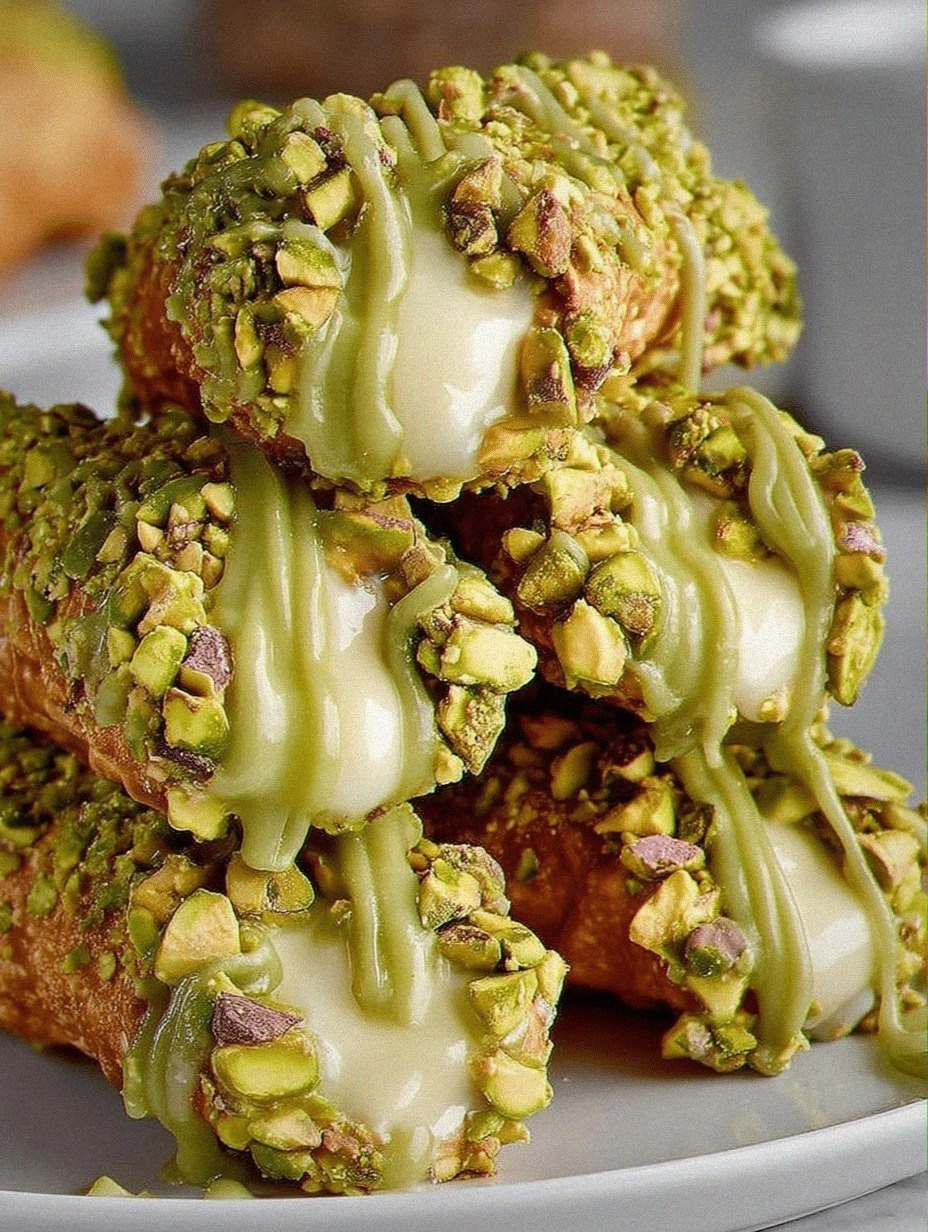
I still remember the first time I tasted a cannoli that was filled with pistachio cream – it was a late‑summer evening on my grandparents’ porch, the cicadas humming in the warm air while the scent of fresh espresso drifted from the kitchen. The moment I lifted the delicate, golden shell, a cloud of sweet, nutty perfume rose, and the silky pistachio filling glistened like emerald silk. I could hear the faint crackle of the shell as I bit into it, the contrast between the crisp exterior and the creamy interior was nothing short of magical. That memory sparked a lifelong love affair with Italian pastries, and today I’m thrilled to share my own version of this classic with a twist that will make your taste buds dance.
What makes this pistachio cream cannoli stand out is the harmony of flavors and textures that you simply can’t get from a store‑bought version. The shells are buttery, light, and perfectly fried to a golden hue, while the filling blends the richness of ricotta and mascarpone with the earthy depth of pistachio paste, all brightened by a whisper of vanilla. Every bite delivers a satisfying crunch followed by a melt‑in‑your‑mouth cream that’s both sweet and slightly salty – a balance that keeps you reaching for more. Imagine serving these at a family gathering and watching the delighted smiles spread across the table; it’s a moment you’ll want to recreate again and again.
But wait – there’s a secret technique that transforms an ordinary cannoli into a show‑stopping masterpiece, and I’m about to reveal it in step four. Have you ever wondered why restaurant versions taste so different, even though the ingredients look the same? The answer lies in a few small details that most home cooks overlook, and mastering them will give you that professional edge. From the precise temperature of the oil to the way you fold the pistachio paste into the ricotta, each nuance adds layers of flavor that you can taste with every bite.
Ready to embark on this delicious adventure? Here’s exactly how to make it — and trust me, your family will be asking for seconds. Grab your apron, preheat that oil, and let’s dive into a world of pistachio‑kissed perfection.
🌟 Why This Recipe Works
- Flavor Depth: The combination of Marsala wine in the shell dough and pistachio paste in the filling creates a layered taste that’s both sweet and slightly savory, echoing the complexity of classic Italian desserts.
- Texture Contrast: A crisp, buttery shell paired with a luxuriously smooth, creamy interior gives you that satisfying crunch‑then‑silk sensation that keeps you coming back for more.
- Ease of Execution: While it sounds fancy, each component can be prepared with simple kitchen tools, and the step‑by‑step guide ensures even beginners can nail the perfect cannoli.
- Time Efficiency: The dough rests while the filling chills, so you’re multitasking like a pro – the total active time is under 45 minutes, making it ideal for a weekend treat.
- Versatility: The pistachio cream can be swapped for other nut pastes, and the shells can be filled ahead of time or just before serving, adapting to any party schedule.
- Nutrition Balance: Using ricotta and mascarpone gives you protein and calcium, while pistachios add healthy fats, making this indulgence a bit more wholesome.
- Crowd‑Pleasing Factor: The vibrant green hue of the pistachio filling is as eye‑catching as it is tasty, ensuring it’s a centerpiece at any gathering.
🥗 Ingredients Breakdown
The Foundation: Shell Essentials
All‑purpose flour: This is the base for your cannoli shells, providing structure and texture. The gluten network it forms is what gives the shells their sturdy yet tender bite. If you’re looking for a gluten‑free alternative, a blend of rice flour and tapioca starch works, but you’ll need a binder like xanthan gum to mimic the elasticity.
Sugar: A touch of sweetness to balance the flavors in the shells. It also aids in browning, giving the shells that beautiful golden hue. For a deeper caramel note, you could use brown sugar, but be careful not to over‑sweeten.
Salt: Just a pinch enhances the overall taste of the cannoli, cutting through the richness of the butter and highlighting the pistachio’s natural earthiness. Sea salt flakes added at the end can provide a delightful crunch.
Unsalted butter: Cold and cubed, it adds richness and flakiness to the shells. The butter’s water content creates steam during frying, which puffs the dough for that airy interior. If you’re dairy‑free, try using a high‑quality plant‑based butter, though the flavor will shift slightly.
Egg yolk: This helps bind the dough and gives it a lovely color. The yolk’s fat contributes to a tender crumb, and the golden tint makes the shells look appetizing even before the glaze.
Marsala wine: A traditional ingredient that adds depth; you can substitute with dry white wine if needed. The wine’s subtle acidity balances the sweetness, while its aromatic profile infuses the dough with a whisper of nuttiness.
Frying Fundamentals
Vegetable oil: Essential for frying the shells to golden perfection. Choose an oil with a high smoke point, like canola or grapeseed, to avoid bitter flavors. The oil should be heated to 350°F (175°C) – a thermometer is your best friend here.
The Creamy Core: Filling Essentials
Ricotta cheese: The star of the filling! Make sure it’s drained well for a creamy texture. If the ricotta is too watery, wrap it in cheesecloth and press for 30 minutes – this prevents a soggy cannoli.
Mascarpone cheese: Adds a luxurious creaminess to the filling. Its high fat content smooths out any graininess from the ricotta, creating a velvety mouthfeel that’s simply irresistible.
Powdered sugar: For sweetness and a smooth consistency in the filling. Sift it to avoid lumps, and adjust the amount to taste – remember, the pistachio paste already brings some natural sweetness.
Vanilla extract: A splash of this elevates the flavor profile of the cream, adding a warm, aromatic backdrop that complements the pistachio.
Pistachio cream/paste: This is what gives your filling that delightful pistachio flavor. Look for a paste that’s free from added oils for the purest taste, or make your own by grinding roasted pistachios with a touch of honey.
Finishing Flourishes
Chopped pistachios: These add a nice crunch and a pop of color to the filling. Toast them lightly to intensify their nutty aroma, then sprinkle them into the cream for texture.
Chopped pistachios (for decoration): Use these to dip the ends of your cannoli for an extra touch. The visual contrast of green against the golden shell makes each piece look like a work of art.
Melted white chocolate or pistachio glaze: A drizzle of this on top makes your cannoli look as good as they taste! The glossy finish adds a hint of sweetness and a subtle crunch as it sets.
With your ingredients prepped and ready, let's get cooking. Here’s where the fun really begins…
🍳 Step-by-Step Instructions
🔐 Expert Tips for Perfect Results
The Taste Test Trick
Before you pipe the filling, scoop a tiny spoonful and taste it. If it feels a bit bland, add a pinch more powdered sugar or a drop more vanilla. Trust your palate – a small adjustment now prevents a bland final product.
Why Resting Time Matters More Than You Think
Letting the dough rest in the refrigerator not only relaxes the gluten but also firms up the butter, which translates into a flakier shell. Skipping this step often leads to shells that are tough or shrink during frying.
The Seasoning Secret Pros Won’t Tell You
A dash of sea‑salt flakes on the finished glaze adds a surprising pop that elevates the sweet‑nutty profile. It’s a tiny detail that makes a world of difference, especially when serving to guests who appreciate nuanced flavors.
Temperature Control is Everything
Maintain the oil at a steady 350°F. If the oil is too hot, the shells will brown before they’re cooked through, leaving a raw interior. Too cool, and they’ll soak up excess oil, becoming greasy. Use a thermometer and adjust the heat as needed.
Pipe Like a Pro
When piping, start at the tip of the cannoli and work your way down, applying gentle pressure. This method reduces air bubbles and ensures an even distribution of the pistachio cream. If you notice gaps, lightly tap the shell on the counter to settle the filling.
The Final Drizzle
For a glossy, professional finish, let the melted white chocolate cool just a few seconds before drizzling. If it’s too hot, it will run off; too cool, and it will set in clumps. The perfect temperature creates a thin, shimmering coat that hardens quickly.
🌈 Delicious Variations to Try
One of my favorite things about this recipe is how versatile it is. Here are some twists I’ve tried and loved:
Chocolate‑Streaked Pistachio
Add 2 tablespoons of finely chopped dark chocolate to the pistachio cream before folding. The chocolate melts slightly into the filling, creating a marbled effect and a hint of bitterness that balances the sweetness.
Citrus‑Infused Cannoli
Stir in the zest of one orange and a teaspoon of orange liqueur into the ricotta mixture. The citrus brightens the pistachio’s earthiness, giving the dessert a fresh, summery vibe.
Honey‑Roasted Pistachio Crunch
Toast the chopped pistachios with a drizzle of honey and a pinch of sea salt before using them for the coating. The caramelized nuts add an extra layer of crunch and a subtle sweetness that pairs beautifully with the creamy filling.
Vegan Cannoli
Swap the ricotta and mascarpone for a blend of silken tofu and coconut cream, and use a plant‑based butter in the dough. Use a deep‑fried cannoli shell made with olive oil, and you’ll have a dairy‑free version that still delivers on texture.
Spiced Pistachio
Incorporate a pinch of ground cardamom and a dash of cinnamon into the pistachio paste. These warm spices give the cannoli a comforting, almost holiday‑like feel, perfect for cooler evenings.
Berry‑Burst Surprise
Fold in a spoonful of raspberry jam into the pistachio cream for a surprise burst of tartness. The pink swirl adds visual intrigue and a delightful contrast to the nutty flavor.
📦 Storage & Reheating Tips
Refrigerator Storage
Place filled cannoli in an airtight container lined with parchment paper. They’ll keep for up to 2 days, though the shells are best enjoyed within the first 24 hours for optimal crispness. If you notice any moisture buildup, pat the shells gently with a paper towel before serving.
Freezing Instructions
For longer storage, freeze the shells separately from the filling. Wrap each shell tightly in plastic wrap, then place them in a freezer‑safe bag. The shells can be frozen for up to 1 month. Thaw at room temperature, then pipe fresh pistachio cream just before serving.
Reheating Methods
To revive a slightly softened shell, preheat your oven to 300°F (150°C) and bake the shells for 5‑7 minutes on a parchment sheet. The trick to reheating without drying it out? A splash of water in a shallow pan placed on the lower rack creates a gentle steam that keeps the interior tender while the exterior crisps up again.
❓ Frequently Asked Questions
Can I make the shells ahead of time?
What if I can’t find pistachio paste?
How do I prevent the shells from cracking during frying?
Can I substitute the ricotta with another cheese?
Is it okay to use a deep fryer instead of a pot?
What’s the best way to keep the pistachio filling from separating?
Can I use a different nut for the coating?
How long can I keep the pistachio glaze?

Other Reader Favorites
 Appetizers
Spicy Mango Drizzle Wings Recipe
Delicious Spicy Mango Drizzle Wings Recipe
 Breakfast
Irresistibly Cozy Apple Butter Cinnamon Rolls : A Dreamy Fall Breakfast Sweet
Learn how to make delicious Irresistibly Cozy Apple Butter Cinnamon Rolls : A Dreamy Fall Breakfast…
 Dinner
sweet cranberry orange meatballs for christmas eve family dinners
Wow guests with these easy, festive cranberry-orange meatballs—juicy, tangy & ready in 30 min. Perfect for…
 Dinner
Slow Cooker Hoisin Chicken: An Amazing Ultimate Recipe
Learn how to make delicious Slow Cooker Hoisin Chicken: An Amazing Ultimate Recipe. Easy recipe with…