Lemon Butter Scallops: A Beginner’s Guide to Elegant Seafood
 Save
Save
It was a crisp spring evening, the kind where the kitchen smells like a promise of something special. I remember standing at the stove, the pan already humming with a gentle sizzle, when my daughter asked, “What’s that wonderful smell?” I lifted the lid just enough to let a cloud of buttery, lemony steam escape, and instantly the whole house was filled with a bright, citrus‑kissed aroma that made everyone pause. That moment, the simple act of cooking scallops in a lemon‑butter sauce, turned an ordinary Tuesday into a memory we still laugh about at family gatherings. The secret? Not just the ingredients, but the way each step builds layers of flavor that dance on the palate.
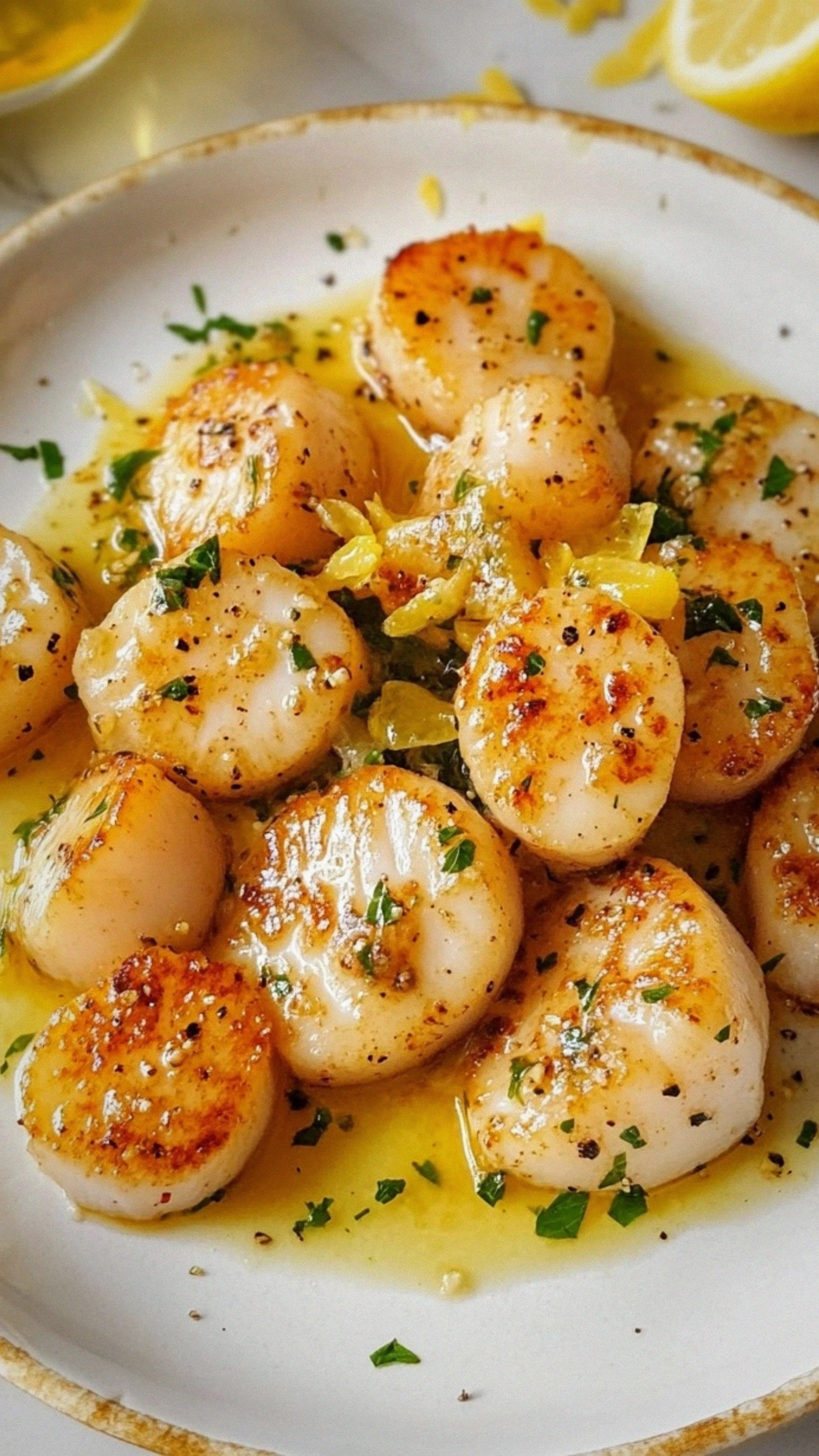
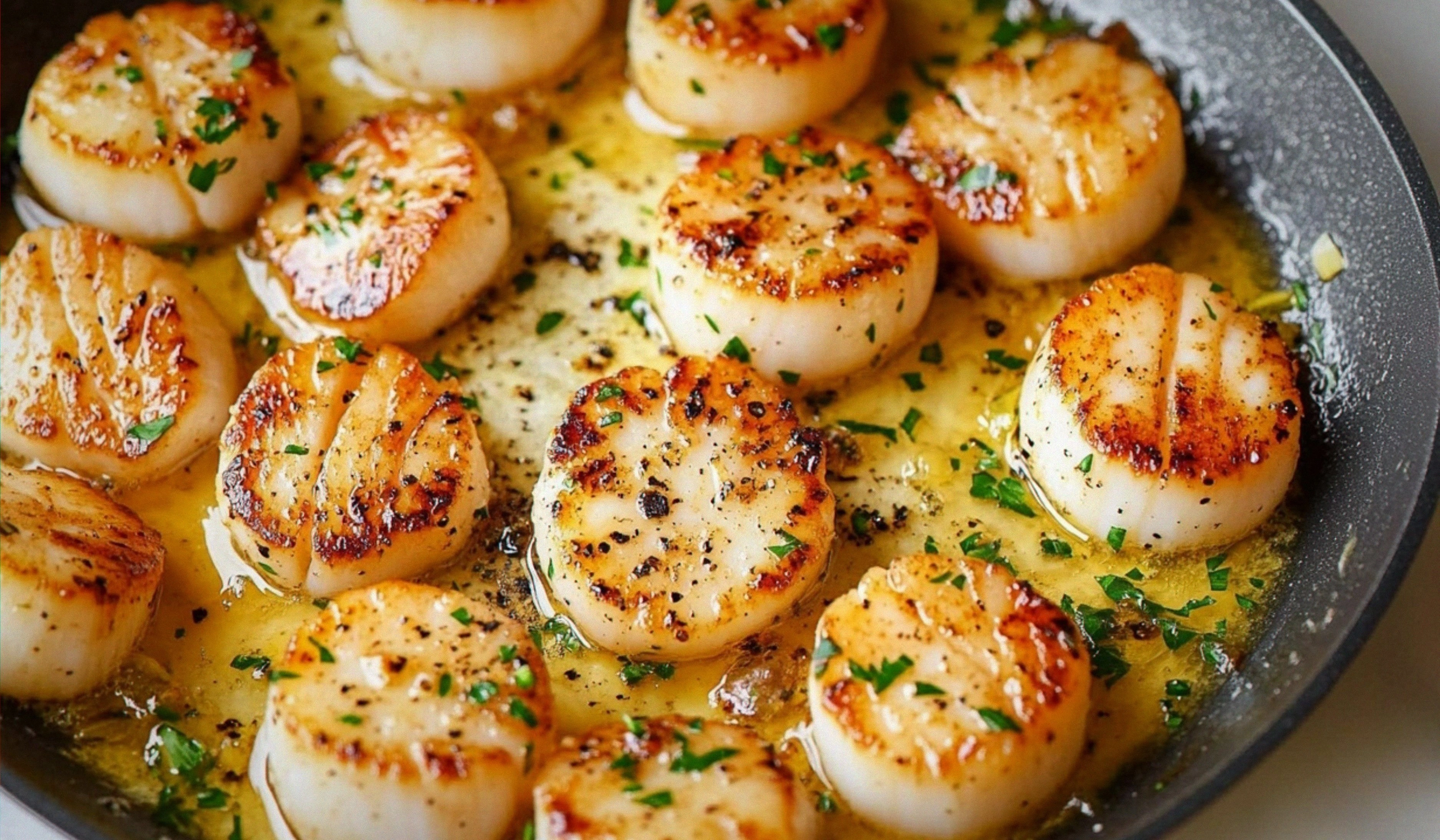
If you’ve ever wondered why restaurant‑style scallops taste so much richer than the ones you buy frozen, the answer lies in the balance of heat, timing, and that splash of acid that lifts everything. The magic of this recipe is that it’s totally approachable for a beginner—no fancy equipment, no obscure techniques—yet it delivers that elegant, restaurant‑ready finish that will have guests asking, “Who made this?” Imagine a plate of plump, caramel‑seared scallops glistening with a silky lemon‑butter glaze, paired with a sprinkle of fresh parsley that adds a pop of color and freshness. It’s a dish that feels luxurious, but it’s actually built on pantry staples you probably already have.
What makes this dish even more compelling is its versatility. Whether you’re serving it as a refined appetizer for a dinner party, a main course accompanied by a light salad, or a special treat for a weekend brunch, the flavors adapt beautifully. And the best part? You don’t need to be a culinary wizard to nail that perfect golden crust while keeping the interior buttery and tender. The secret lies in a few pro tips that I’ve gathered over years of trial and error—tips that I’ll share later in the article, so stay tuned.
But wait—there’s a little twist that most home cooks overlook, and it’s the key to turning good scallops into unforgettable ones. I’ll reveal that hidden gem in step four of the cooking process, and trust me, once you try it, you’ll never go back to the basic version again. Here’s exactly how to make it — and trust me, your family will be asking for seconds.
🌟 Why This Recipe Works
- Flavor Depth: The combination of butter and lemon creates a rich, velvety base that amplifies the natural sweetness of the scallops while adding a bright, citrusy contrast. This duality keeps each bite exciting.
- Perfect Texture: A quick, high‑heat sear locks in moisture, giving the scallops a caramelized crust without overcooking the delicate interior. The result is a satisfying snap followed by a melt‑in‑your‑mouth tenderness.
- Ease of Execution: With just one pan and a handful of ingredients, the recipe streamlines the cooking process, making it ideal for busy weeknights or impressive dinner parties alike.
- Time Efficient: From prep to plate in under an hour, you can deliver a restaurant‑quality dish without spending the entire day in the kitchen. The quick deglaze step adds flavor without extending cooking time.
- Versatility: Serve the scallops over a simple risotto, atop a fresh salad, or alongside roasted vegetables—the sauce clings beautifully to any accompaniment.
- Nutrition Boost: Scallops are a lean source of protein, low in fat, and packed with omega‑3 fatty acids, while the lemon adds vitamin C and a burst of antioxidants.
- Ingredient Quality: Using fresh, dry‑packed scallops and real butter ensures the dish shines with natural flavors, avoiding the soggy texture of over‑processed seafood.
- Crowd‑Pleasing Factor: The elegant presentation and luxurious taste make it a guaranteed hit, whether you’re feeding a family of four or impressing a group of friends.
🥗 Ingredients Breakdown
The Foundation: Scallops & Fat
The star of the show is the sea scallop, preferably dry‑packed and about the size of a large pea. Dry‑packed scallops haven’t been treated with a water solution, so they retain a firmer texture and a sweeter flavor. When you press a fresh scallop between your fingers, you should feel a slight spring—this indicates freshness. If you can, buy them from a trusted fish market where the turnover is high; the scent should be briny, not fishy. Butter provides the luxurious mouthfeel and carries the lemon’s acidity, creating a sauce that clings perfectly to each scallop.
Aromatics & Brighteners
Garlic adds a warm, aromatic backbone that balances the sharpness of the lemon. Mince it finely so it releases its oils quickly without burning. Lemon zest is the secret weapon for a fragrant, citrus‑forward flavor that goes beyond just juice; it contains the essential oils that give that fresh, sunny aroma. Freshly squeezed lemon juice adds the necessary acidity to cut through the butter’s richness, keeping the dish from feeling heavy.
The Secret Weapons
White wine (dry) is optional but highly recommended. It deglazes the pan, lifting all the caramelized bits (fond) and integrating them into the sauce, adding depth and a subtle fruitiness. Fresh parsley isn’t just a garnish; its bright, herbaceous notes finish the dish with a pop of color and freshness that lifts the palate. A pinch of red pepper flakes can introduce a gentle heat, but this is entirely up to your taste.
Finishing Touches & Seasonings
Sea salt and freshly ground black pepper are the fundamental seasonings that enhance the scallops’ sweetness without overpowering them. Use a coarse sea salt for a subtle crunch on the surface. Olive oil is used for the initial sear because it has a higher smoke point than butter, ensuring the pan gets hot enough for a perfect crust before the butter is added for flavor.
When selecting your scallops, look for a uniform size so they cook evenly. If you’re buying frozen, choose a brand that lists “dry‑packed” on the label. Thaw them in the refrigerator overnight, then pat them dry with paper towels—this step cannot be skipped. For the butter, go for unsalted so you can control the seasoning precisely. And don’t forget to zest the lemon before juicing; it’s far easier to zest a whole lemon than a pre‑juiced one.
With your ingredients prepped and ready, let's get cooking. Here's where the fun really begins...
🍳 Step-by-Step Instructions
🔐 Expert Tips for Perfect Results
The Taste Test Trick
Before you add the final splash of lemon juice, take a tiny spoonful of the sauce and taste it. If it feels a bit too buttery, a few more drops of lemon will brighten it up instantly. This quick taste test prevents the sauce from becoming overly rich and ensures that each bite hits the perfect balance of sweet, salty, and tangy.
Why Resting Time Matters More Than You Think
After searing, let the scallops rest for about 30 seconds on a warm plate before adding the sauce. This short pause allows the juices to redistribute, preventing them from spilling out when you toss the scallops in the butter. I once skipped this step and ended up with a soggy pan—lesson learned!
The Seasoning Secret Pros Won’t Tell You
Season the scallops with a pinch of flaky sea salt just before the final flip. The tiny crystals add a subtle crunch and a burst of flavor that standard table salt can’t provide. It’s a tiny detail that makes a massive difference in the overall mouthfeel.
Butter Temperature Control
Add the butter when the pan is hot but not smoking. If the butter melts too quickly, it can brown and develop a bitter taste. Keep the heat at medium‑high and watch the butter turn a light golden hue before adding the aromatics. This technique ensures a smooth, velvety sauce every time.
The Finish With Fresh Herbs
Always add fresh herbs like parsley at the very end of cooking. Heat will dull their flavor and turn them brown, losing that fresh pop. I once added parsley too early, and it turned a muted brown, stealing the bright finish I was aiming for.
🌈 Delicious Variations to Try
One of my favorite things about this recipe is how versatile it is. Here are some twists I've tried and loved:
Garlic‑Herb Infusion
Swap the parsley for a mixture of chopped thyme, rosemary, and a touch more garlic. The earthy herbs add depth, making the dish feel heartier—perfect for cooler evenings.
Spicy Chili‑Lemon
Add a teaspoon of chili‑garlic sauce or a dash of sriracha to the butter sauce for a subtle heat that pairs beautifully with the citrus. This version is a hit at summer barbecues where guests love a little kick.
Coconut‑Lime Twist
Replace half the butter with coconut oil and use lime juice instead of lemon. The tropical flavor profile pairs wonderfully with a side of jasmine rice, turning the dish into a mini‑vacation on a plate.
Miso‑Butter Glaze
Stir in a tablespoon of white miso paste into the butter sauce for an umami boost. The salty, savory notes complement the sweet scallops and add a Japanese‑inspired flair.
Pesto‑Butter Fusion
Blend a spoonful of basil pesto into the butter just before serving. The herbaceous pesto adds a vibrant green color and a fresh, nutty flavor that elevates the dish to a new level of sophistication.
📦 Storage & Reheating Tips
Refrigerator Storage
Store leftover scallops in an airtight container in the fridge for up to two days. Place a thin layer of the lemon‑butter sauce on top before sealing; this helps keep the scallops moist and prevents them from drying out.
Freezing Instructions
If you need to freeze, separate the scallops from the sauce. Lay them in a single layer on a parchment‑lined tray and flash‑freeze for an hour, then transfer to a zip‑top freezer bag. The sauce can be frozen in an ice‑cube tray and added directly to the pan when reheating. This method preserves texture and flavor for up to three months.
Reheating Methods
To reheat, gently warm the sauce in a skillet over low heat, then add the frozen or refrigerated scallops for just a minute or two, until heated through. Add a splash of water or a tiny knob of butter if the sauce looks too thick. The trick to reheating without drying it out? A splash of fresh lemon juice or a drizzle of olive oil right at the end restores the bright, buttery finish.
❓ Frequently Asked Questions
Can I use frozen scallops instead of fresh?
What type of pan works best for searing scallops?
Should I add the butter before or after the scallops?
Can I substitute the white wine with something else?
How do I know when the scallops are perfectly cooked?
Can I make this recipe dairy‑free?
What side dishes pair best with lemon butter scallops?
Is it okay to use the same pan for the sauce after searing?
Turn off the heat and sprinkle the chopped fresh parsley over the scallops. The parsley not only adds a pop of vibrant green but also introduces a fresh, herbaceous note that lifts the entire dish. Give everything a gentle toss, making sure each scallop is evenly coated with the lemon‑butter glaze. The sauce should be glossy and clinging, not watery.
Transfer the scallops to a warmed serving platter, arranging them in a single layer. Spoon any remaining sauce over the top, allowing it to pool around the base for a dramatic presentation. The sauce should glisten, catching the light and inviting your guests to dive right in. If you’re serving immediately, the scallops will retain their perfect texture and flavor; if not, keep them covered loosely with foil to retain warmth.
Finally, garnish with an extra zest of lemon for a burst of color and aroma, and perhaps a few extra parsley leaves for that restaurant‑style finish. Serve the dish alongside a simple arugula salad, buttery risotto, or a crisp white wine—something like a Sauvignon Blanc that complements the citrus notes. The moment you place this plate on the table, the conversation will naturally shift to “How did you make this so perfect?” and you’ll have the answer ready.