chicken crockpot recipes easy healthy simple for a Cozy Dinner
 Save
Save
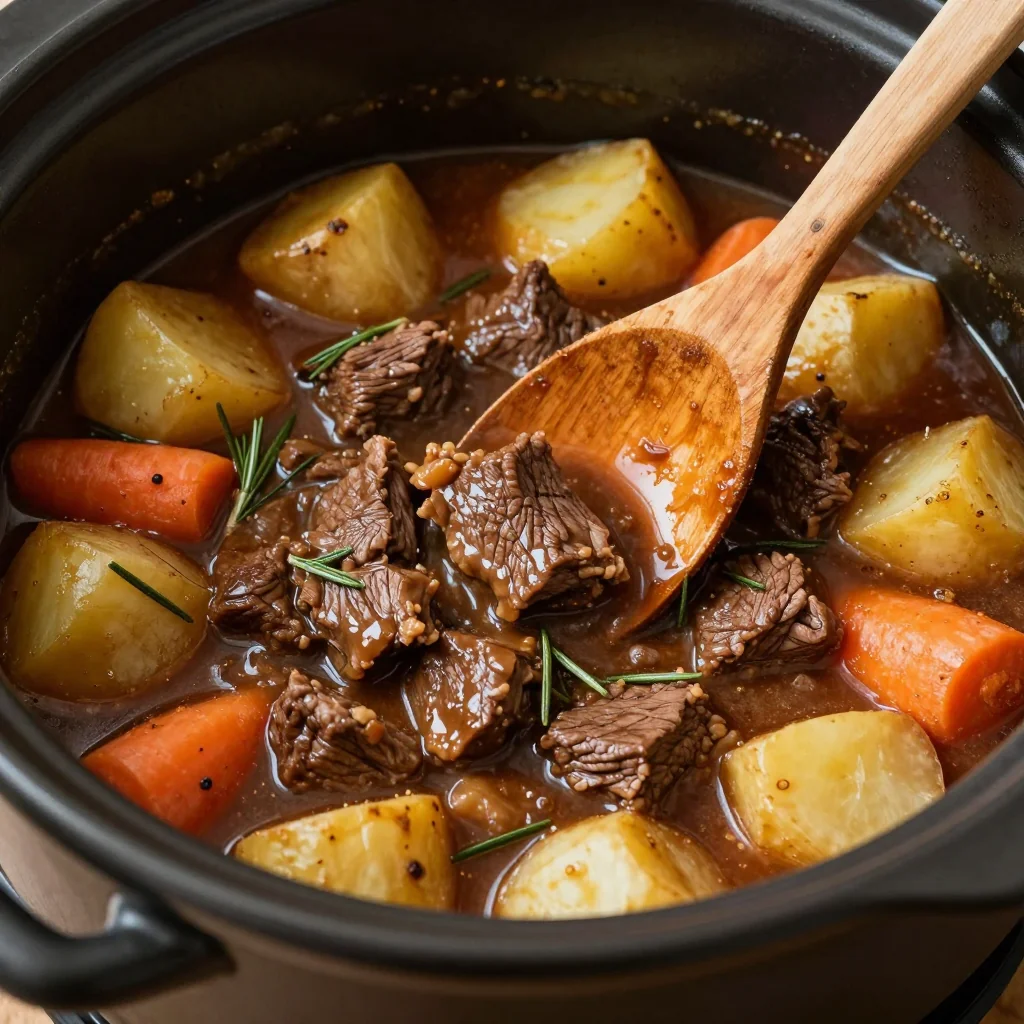
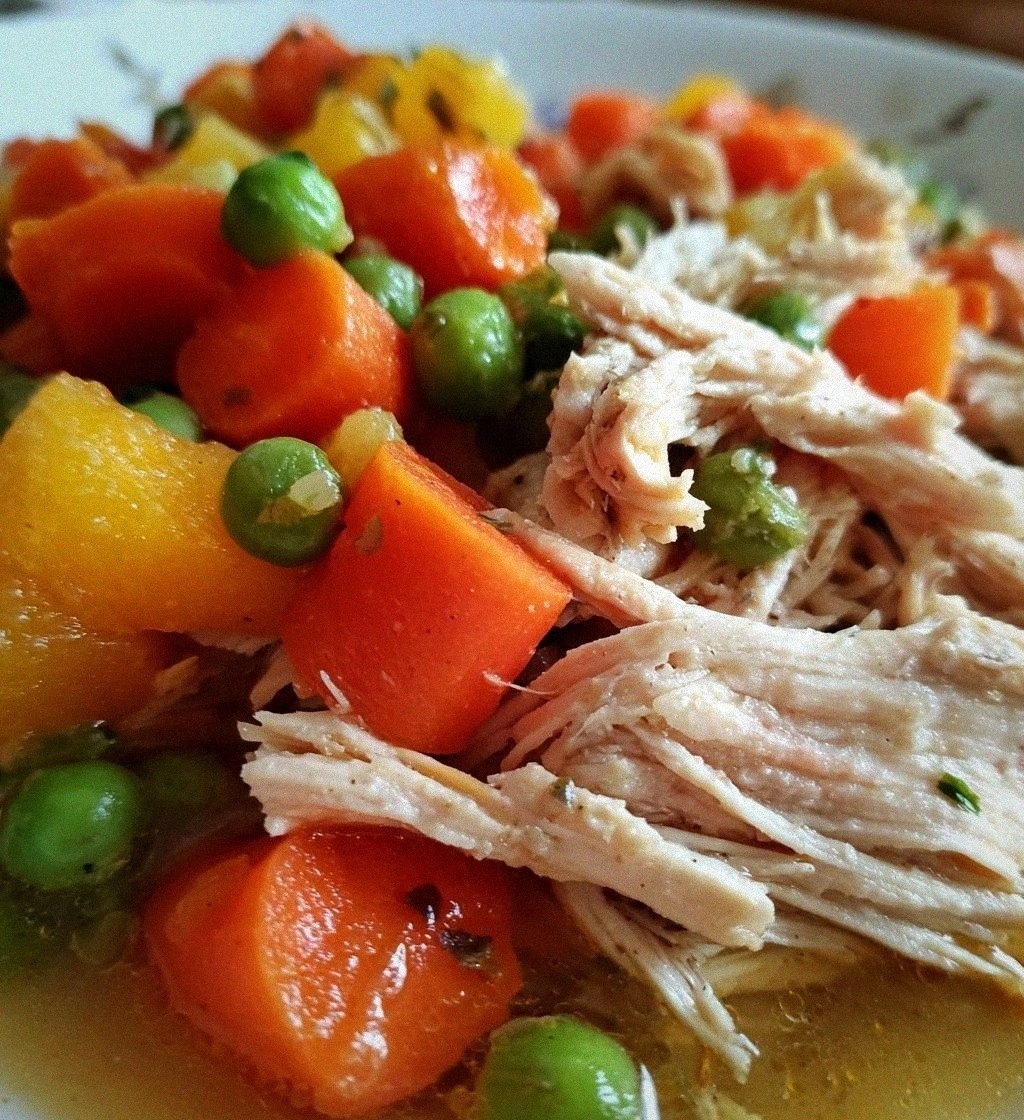
It was one of those crisp autumn evenings when the wind whispered through the bare branches outside, and I found myself craving something that felt both comforting and effortless. I remember pulling out my trusty crockpot, the one that has survived countless family gatherings, and loading it with simple, wholesome ingredients. As the lid sealed shut, a cloud of fragrant steam rose like a warm hug, filling the kitchen with the aroma of simmering chicken, sweet carrots, and earthy thyme. The gentle bubbling was a promise of a meal that would soon bring smiles around the table, and I couldn’t help but think how perfect this moment was for a cozy dinner with loved ones.
What makes a crockpot dish truly magical is its ability to turn humble pantry staples into a symphony of flavors without demanding constant attention. You set it and forget it, yet the result feels like you’ve been stirring and tasting for hours. Imagine tender chicken that falls apart at the slightest fork, vegetables that retain a pleasant bite, and a broth that’s both savory and subtly sweet. The best part? This recipe is as healthy as it is delicious—low‑sodium broth, lean chicken, and a rainbow of vegetables that pack a nutritional punch. But wait, there’s a secret ingredient that most people overlook, and it’s the key to that restaurant‑level depth of flavor.
I’ve served this dish at everything from a quick weeknight dinner to a weekend family reunion, and each time the compliments keep rolling in. One time, my teenage son, who usually declares “I’m not hungry,” actually asked for seconds, and that was a moment of pure triumph for any home cook. Have you ever wondered why a simple crockpot meal can sometimes taste better than a restaurant’s plated version? The answer lies in the slow, gentle cooking process that allows every spice to infuse fully, and the way the chicken juices mingle with the broth to create a silky sauce you can’t help but drizzle over rice or mashed potatoes.
Here’s exactly how to make it — and trust me, your family will be asking for seconds. I’ll walk you through each step, share a few pro tips that I’ve learned over the years, and even suggest some playful variations to keep things exciting. Ready to create a cozy dinner that’s easy, healthy, and absolutely satisfying? Let’s dive in and start cooking!
🌟 Why This Recipe Works
- Flavor Depth: The combination of garlic powder, onion powder, and dried thyme creates a layered taste that deepens as the dish cooks. The low‑sodium broth allows the natural flavors of the chicken and vegetables to shine without being over‑salted.
- Moisture Retention: Cooking chicken breasts low and slow in a sealed environment prevents them from drying out, resulting in juicy, fork‑tender pieces that practically melt in your mouth.
- Texture Balance: By adding mixed vegetables halfway through, you preserve a slight crunch, giving the dish a pleasing contrast between soft chicken and vibrant, crisp veggies.
- Time Efficiency: Once the ingredients are in the crockpot, you can walk away and attend to other tasks, making it perfect for busy evenings when you still want a home‑cooked meal.
- Versatility: The base recipe is a blank canvas—you can swap vegetables, adjust seasonings, or add a splash of lemon for brightness without compromising the core comfort factor.
- Nutrition Boost: Lean chicken provides high‑quality protein, while the mixed vegetables deliver fiber, vitamins, and antioxidants, making this a balanced, wholesome dinner.
- Ingredient Quality: Using fresh, high‑quality chicken and crisp vegetables ensures the final dish feels vibrant and satisfying, rather than bland or soggy.
- Crowd‑Pleaser: The mild seasoning profile appeals to both kids and adults, and the comforting aroma draws everyone to the table, turning a simple meal into a shared experience.
Now let's talk about the ingredients that make this magic happen...
🥗 Ingredients Breakdown
The Foundation: Chicken & Broth
The star of this dish is undoubtedly the chicken breasts. I always opt for boneless, skinless pieces because they cook evenly and absorb the broth’s flavors without becoming greasy. When selecting chicken, look for firm, pink flesh with a slight sheen—this indicates freshness. The low‑sodium chicken broth acts as the cooking medium, keeping the meat moist while allowing the spices to permeate every bite. If you’re watching your sodium intake, you can even replace the broth with a homemade vegetable stock for a lighter taste.
Aromatics & Spices: Building the Flavor Base
Garlic powder and onion powder are the unsung heroes that provide a subtle, savory backbone without the moisture of fresh garlic or onions, which could make the broth cloudy. Dried thyme adds an earthy, slightly floral note that pairs beautifully with chicken. Don’t skimp on salt and pepper—seasoning is what brings all the components together, and a generous pinch ensures the broth isn’t bland. If you love a little heat, a pinch of red pepper flakes can give the dish a gentle kick.
The Secret Weapons: Mixed Vegetables
I love using a colorful mix of carrots, peas, and bell peppers because they bring sweetness, crunch, and a burst of color that makes the dish visually appealing. Carrots add natural sweetness, peas contribute a buttery texture, and bell peppers introduce a slight peppery flavor. Feel free to swap in broccoli florets, zucchini, or even frozen corn if that’s what you have on hand. The key is to keep the pieces bite‑size so they cook evenly and retain a pleasant snap.
Finishing Touches: Salt, Pepper, and Optional Extras
Seasoning at the end of cooking can make a huge difference. A final sprinkle of freshly cracked black pepper adds a bright, aromatic finish, while a drizzle of olive oil can enrich the broth’s mouthfeel. Some families like to finish with a squeeze of fresh lemon juice for acidity that lifts the flavors, or a handful of chopped fresh parsley for a pop of green and freshness. These small adjustments turn a good dish into a great one, and they’re easy to customize based on what you have in the pantry.
With your ingredients prepped and ready, let's get cooking. Here's where the fun really begins...
🍳 Step-by-Step Instructions
🔐 Expert Tips for Perfect Results
The Taste Test Trick
Always give the broth a quick taste before serving. This is your chance to adjust seasoning, add a splash of acidity, or sprinkle in fresh herbs. I once served this to a chef friend who said the final pinch of sea salt made all the difference—trust me, a tiny adjustment can elevate the entire dish.
Why Resting Time Matters More Than You Think
Letting the dish rest after cooking isn’t just about convenience; it allows the fibers in the chicken to relax and reabsorb the flavorful juices. Skipping this step can result in a slightly drier bite. The next time you’re tempted to rush to the table, remember that those extra five minutes make a world of difference.
The Seasoning Secret Pros Won’t Tell You
Season in layers. Start with the base spices on the chicken, add a pinch of salt to the broth, and finish with a final dash of pepper right before serving. This layered approach builds depth without overwhelming the palate. I’ve found that a light sprinkle of smoked paprika at the end adds a subtle warmth that lingers pleasantly.
Choosing the Right Crockpot Setting
If you have a programmable crockpot, set it to “low” for the most tender results. The low heat gently breaks down the chicken’s connective tissue, ensuring it stays moist. High heat works in a pinch, but the flavor development isn’t as pronounced. Trust the low setting for that melt‑in‑your‑mouth experience.
How to Keep Vegetables Vibrant
Add the vegetables in two stages: half at the beginning, half towards the end. This technique prevents them from turning mushy and keeps their colors bright, which makes the dish visually appealing. I once left all the veggies in from the start, and they turned a dull gray—definitely not the look I wanted for a cozy dinner.
🌈 Delicious Variations to Try
One of my favorite things about this recipe is how versatile it is. Here are some twists I've tried and loved:
Mediterranean Magic
Swap the mixed vegetables for a blend of zucchini, cherry tomatoes, and olives. Add a teaspoon of dried oregano and finish with crumbled feta cheese. The result is a bright, tangy dish that pairs wonderfully with couscous.
Spicy Southwest
Replace the thyme with cumin and chili powder, and toss in black beans and corn with the vegetables. A dash of chipotle in adobo sauce gives a smoky heat, turning the comforting crockpot meal into a fiesta on a plate.
Creamy Coconut Curry
Add a can of light coconut milk and a tablespoon of curry powder after the first hour of cooking. Include sliced sweet potatoes and snap peas for texture. This variation brings a fragrant, exotic twist that’s perfect for cooler evenings.
Herb‑Infused Lemon Chicken
Stir in fresh lemon zest and a handful of chopped rosemary with the broth. Finish with a squeeze of lemon juice just before serving. The citrus brightens the dish, making it feel light and refreshing.
Hearty Autumn Harvest
Add cubed butternut squash, Brussels sprouts, and a pinch of sage. The natural sweetness of the squash complements the savory broth, creating a perfect seasonal comfort food.
Asian‑Inspired Soy‑Ginger
Replace the broth with low‑sodium soy sauce mixed with a splash of rice vinegar and grated ginger. Toss in sliced mushrooms and snap peas. Serve over steamed jasmine rice for a quick, aromatic dinner.
📦 Storage & Reheating Tips
Refrigerator Storage
Cool the leftovers to room temperature within two hours, then transfer them to an airtight container. Store in the fridge for up to four days. When reheating, add a splash of broth or water to restore moisture, and gently heat on the stovetop or in the microwave until steaming hot.
Freezing Instructions
Portion the cooked chicken, vegetables, and broth into freezer‑safe bags or containers. Label with the date and freeze for up to three months. To reheat, thaw overnight in the fridge, then warm in a saucepan over medium heat, stirring occasionally, until the broth bubbles gently.
Reheating Methods
For the best texture, reheat on the stovetop over low heat, covering the pan to retain moisture. If you prefer the microwave, cover the dish with a microwave‑safe lid and heat in 30‑second intervals, stirring in between. The trick to reheating without drying it out? A splash of low‑sodium chicken broth or a drizzle of olive oil keeps everything succulent.
❓ Frequently Asked Questions
Can I use bone‑in chicken thighs instead of breasts?
What if I don’t have a crockpot?
How can I make this recipe gluten‑free?
Can I add rice or pasta directly into the crockpot?
Is it okay to use frozen vegetables?
What’s the best way to reheat leftovers without losing flavor?
Can I make this recipe dairy‑free?
How do I prevent the chicken from becoming too soft?
When the timer dings, give the pot a gentle stir to combine the chicken, vegetables, and broth. Taste the broth and adjust the seasoning with a pinch more salt or pepper if needed. This is the moment where you can truly make the dish your own—perhaps a pinch of smoked paprika for warmth or a sprinkle of fresh herbs for a burst of green.
Turn off the crockpot and let the dish rest for 5–10 minutes with the lid on. This resting period allows the juices to redistribute, ensuring each bite is moist and flavorful. While you wait, set the table, perhaps lighting a few candles to enhance the cozy atmosphere. The aroma will have already done most of the work, inviting everyone to gather around.
Serve the chicken breasts whole or shred them, depending on your family’s preference. Spoon the vegetables and broth over a bed of fluffy rice, buttery mashed potatoes, or even a simple quinoa pilaf. The sauce is perfect for soaking up with a crusty piece of bread, making it a complete, comforting meal. Go ahead, take a taste — you’ll know exactly when it’s right.