Creamy Thai Tea Ice Cream Recipe – No Churn Delight
 Save
Save
I still remember the first time I tasted authentic Thai tea on a bustling night market in Bangkok. The sky was a deep indigo, lanterns flickered like fireflies, and the air was saturated with the sweet perfume of simmering spices. When the vendor handed me a tall glass of that milky amber liquid, the coolness of the drink against my sun-warmed skin felt like a tiny, delicious miracle. I thought, “What if I could capture that moment in a scoop of ice cream, no ice‑cream maker required?” That thought sparked a kitchen experiment that would become a family favorite, and today I’m sharing every buttery, aromatic detail with you.
Picture this: you open a pot after a gentle simmer, and a cloud of fragrant steam rushes out, carrying notes of caramelized sugar, earthy tea leaves, and a whisper of coconut. The liquid shimmers with a sunset‑orange hue, promising a taste that’s both familiar and exotic. As you whisk in the creamy dairy, the mixture thickens into a velvety custard that feels like it could coat a spoon without dripping. The moment you pour it into a container and set it in the freezer, you can almost hear the faint crackle of ice crystals forming, a sound that tells you magic is happening. But wait—there’s a secret technique in step four that turns this from good to unforgettable, and I’ll reveal it soon.
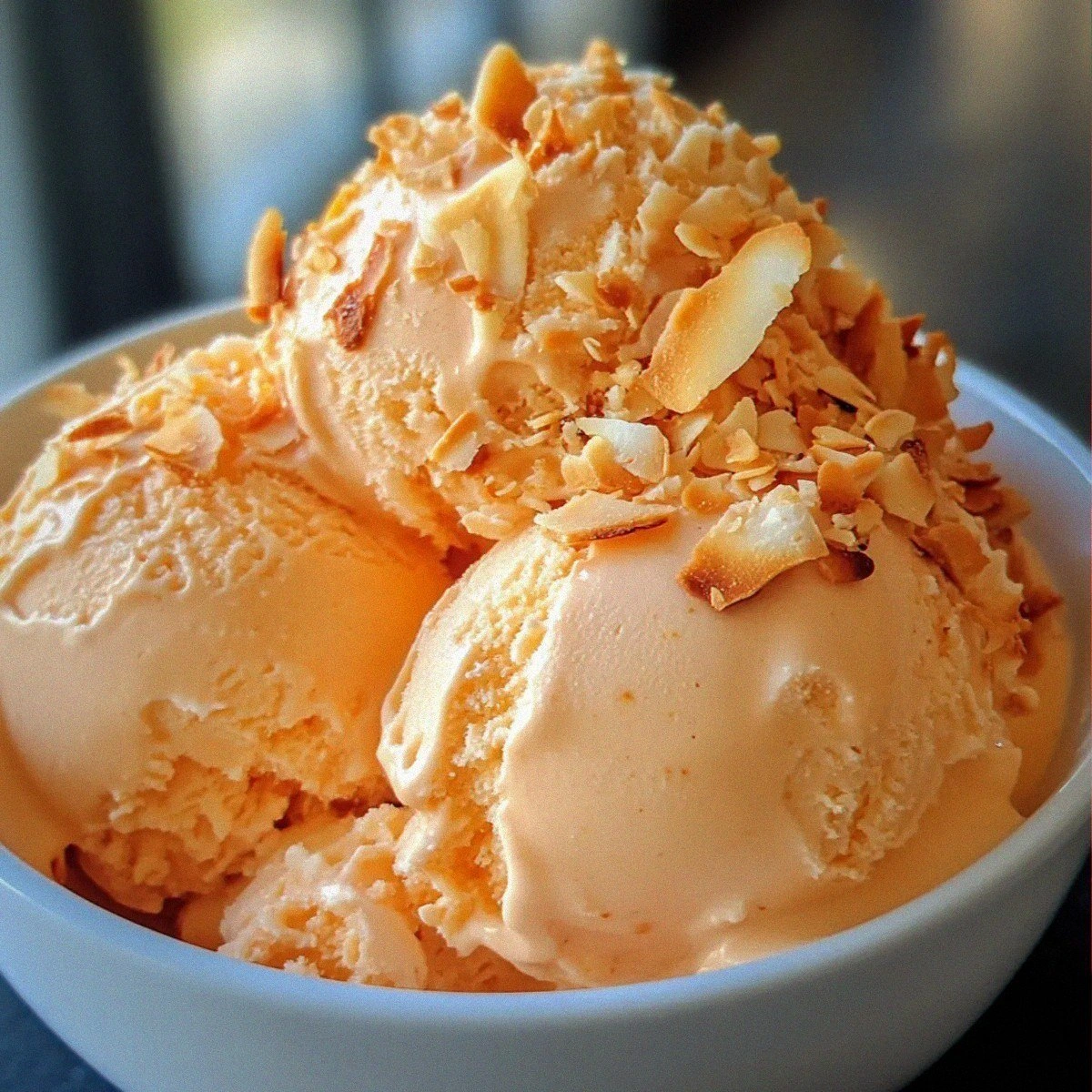
What makes this recipe truly special is its no‑churn simplicity combined with the bold, unmistakable flavor of Thai tea. You don’t need an ice‑cream machine, just a few pantry staples and a little patience, yet the result rivals the silky texture of shop‑bought gelato. The addition of coconut flakes adds a subtle crunch and a tropical whisper that elevates the whole experience. Imagine serving a scoop that looks like liquid sunshine, with a creamy mouthfeel that melts slowly, releasing layers of spice, vanilla, and sweet milk. Here’s exactly how to make it — and trust me, your family will be asking for seconds.
Before we dive into the step‑by‑step, let’s explore why this recipe works so well and what each ingredient brings to the table. I’ll also share a handful of pro tips that will save you from common pitfalls and boost your confidence in the kitchen. Ready to embark on a journey that blends tradition with a modern, no‑churn twist? The adventure begins now, and the best part? You’ll have a gorgeous dessert ready before the next episode of your favorite show ends.
🌟 Why This Recipe Works
- Flavor Depth: Thai tea mix is a blend of black tea, orange blossom, and a secret mix of spices that infuse the base with a deep, aromatic complexity that ordinary tea can’t match. The result is a flavor profile that feels both familiar and exotic, perfect for surprising guests.
- Silky Texture: The combination of whole milk and heavy whipping cream creates a luscious mouthfeel that mimics the custard base of traditional churned ice cream, ensuring each bite is buttery smooth.
- Ease of Preparation: No ice‑cream maker is required; the recipe relies on the natural thickening power of sweetened condensed milk and the chilling power of the freezer, making it accessible for anyone.
- Time Efficiency: With only 45 minutes of active work and a 4‑hour set time, you can fit this dessert into a busy weekend schedule without sacrificing quality.
- Versatility: The base is a canvas—you can swirl in fruit, add a drizzle of chocolate, or sprinkle toasted nuts, allowing you to customize for holidays or personal cravings.
- Nutrition Balance: While indulgent, the recipe includes coconut flakes for healthy fats and uses whole milk for calcium, offering a satisfying treat that isn’t just empty calories.
- Ingredient Quality: Using authentic Thai tea mix and real vanilla paste ensures the flavor shines through without relying on artificial additives.
- Crowd‑Pleaser Factor: The vibrant orange‑gold hue and exotic aroma make it a conversation starter at any gathering, from casual picnics to elegant dinner parties.
🥗 Ingredients Breakdown
The Foundation
The backbone of any great ice cream is a balance between dairy and sweetness. Whole milk provides a creamy base while still allowing the tea’s flavor to shine through; it also contributes essential proteins that help stabilize the frozen mixture. Heavy whipping cream adds the luxurious fat content needed for that melt‑in‑your‑mouth texture, turning a simple custard into a silky dream. If you’re looking for a lighter version, you can substitute half‑and‑half, but expect a slightly less buttery mouthfeel. Selecting dairy that’s fresh and preferably from a local farm will enhance the overall richness of the final product.
Aromatics & Spices
Thai Tea Mix is the star of the show, a fragrant blend of black tea, star anise, and a hint of orange blossom that creates that signature amber color. When steeped correctly, it releases a bouquet of sweet, spicy, and floral notes that dance on the palate. If you can’t find the exact brand I use, look for a mix that lists real tea leaves and natural spices—avoid anything with artificial coloring. Vanilla paste or extract adds depth and rounds out the spice profile, acting like a bridge between the tea and the dairy. A teaspoon is enough to elevate the flavor without overwhelming the delicate tea essence.
The Secret Weapons
Sweetened condensed milk is the unsung hero that provides both sweetness and a natural stabilizer, preventing icy crystals from forming during the freeze. Its thick, caramel‑like consistency also contributes a subtle buttery flavor that pairs beautifully with the tea. The final secret is coconut flakes, which add a gentle crunch and a tropical whisper that complements the orange blossom notes in the tea. Toast the flakes lightly for an extra layer of nuttiness, or keep them raw for a softer texture.
Finishing Touches
A pinch of sea salt can dramatically enhance the sweetness, but it’s optional and should be added sparingly. If you love a little extra texture, consider sprinkling toasted coconut on top just before serving; the contrast between the cold, creamy interior and the warm, crunchy topping is pure bliss. Finally, a drizzle of condensed milk over each scoop adds a glossy finish that makes the dessert look restaurant‑ready. With your ingredients prepped and ready, let’s get cooking. Here’s where the fun really begins…
🍳 Step-by-Step Instructions
🔐 Expert Tips for Perfect Results
The Taste Test Trick
Before you freeze the mixture, take a tiny spoonful and taste it. This is the moment to adjust sweetness or add a pinch more vanilla; remember, flavors intensify slightly as the ice cream freezes, so aim for a taste that’s just a touch brighter than you’d like the final product to be. I once added an extra splash of condensed milk after the first taste, and the result was a luxuriously sweet finish that didn’t overpower the tea.
Why Resting Time Matters More Than You Think
Allowing the ice cream to rest at room temperature for a few minutes before scooping isn’t just about convenience—it actually improves texture. The brief warm‑up lets tiny ice crystals relax, resulting in a smoother mouthfeel. Trust me on this one: the difference between a scoop that feels grainy and one that glides like silk is often just those five extra minutes.
The Seasoning Secret Pros Won’t Tell You
A pinch of sea salt can be a game‑changer, subtly amplifying the tea’s spice and cutting through the sweetness. Professional chefs often finish desserts with a light sprinkle of flaky sea salt for that balanced flavor profile. I like to add it right before the final freeze, ensuring it’s evenly distributed without dissolving completely.
The Coconut Crunch Technique
If you love texture, toast the coconut flakes until they’re golden brown and fragrant, then let them cool completely before folding them in. The toasted flakes add a nutty depth that mirrors the tea’s roasted notes, creating a harmonious flavor bridge. I once tried adding the flakes too early, and they became soggy; waiting until the mixture is nearly frozen preserves that satisfying crunch.
Freezer Placement Matters
Place your ice cream container on the middle shelf of the freezer, away from the door. This spot maintains the most consistent temperature, reducing the risk of ice crystals forming due to temperature fluctuations. I’ve noticed that ice cream stored near the freezer door often ends up with a slightly icy texture, especially in busy households.
🌈 Delicious Variations to Try
One of my favorite things about this recipe is how versatile it is. Here are some twists I've tried and loved:
Mango‑Infused Thai Tea Swirl
Puree ripe mangoes and swirl the puree through the ice cream just before the final freeze. The tropical mango adds a bright, citrusy contrast to the deep tea flavor, creating a sunset‑like marbled effect that’s as beautiful as it is tasty.
Chocolate‑Covered Coconut Crunch
Melt dark chocolate and drizzle it over the ice cream after scooping, then sprinkle extra toasted coconut. The bittersweet chocolate amplifies the tea’s spice, while the coconut maintains its tropical charm, resulting in a sophisticated dessert perfect for dinner parties.
Spiced Chai Fusion
Replace half of the Thai tea mix with chai tea leaves and add a pinch of ground cinnamon and cardamom. This hybrid creates a warm, comforting flavor that’s ideal for cooler evenings, turning the dessert into a cozy, aromatic treat.
Salted Caramel Drizzle
Prepare a quick salted caramel sauce and drizzle it over each serving. The salty caramel adds a luxurious richness that pairs beautifully with the tea’s floral notes, making every bite feel like a celebration.
Vegan Coconut Cream Version
Swap the dairy with full‑fat coconut milk and coconut cream, and use a plant‑based sweetened condensed milk alternative. The result is a dairy‑free version that still boasts the creamy texture and tropical flair, perfect for guests with dietary restrictions.
📦 Storage & Reheating Tips
Refrigerator Storage
If you plan to enjoy the ice cream within a few days, keep it in an airtight container in the freezer (not the fridge) to maintain its texture. For short‑term storage (up to 3 days), a thin layer of parchment paper pressed against the surface before sealing helps prevent ice crystals. Remember to let it soften for a few minutes before serving each time to achieve the perfect scoop.
Freezing Instructions
For longer storage, the ice cream can be frozen for up to 2 months without significant loss of quality. To avoid freezer burn, wrap the container tightly with a second layer of foil or place it inside a zip‑top freezer bag, squeezing out excess air. When you’re ready to indulge, move the container to the refrigerator for about 20 minutes; this gentle thaw makes scooping effortless while preserving the creamy texture.
Reheating Methods
If you ever find the ice cream too hard to scoop, a quick reheating trick works wonders: place the container (uncovered) in a bowl of warm water for 30‑45 seconds, just until the edges soften. The trick to reheating without drying it out? A splash of milk or a drizzle of condensed milk added at this stage revives the richness and prevents any grainy texture.
❓ Frequently Asked Questions
Can I use instant Thai tea powder instead of a loose blend?
Do I need to chill the bowl before adding the mixture?
Can I add alcohol, like rum or vodka, to the ice cream?
Is it possible to make this recipe dairy‑free?
How can I prevent ice crystals from forming?
Can I add fresh fruit to the mixture?
What’s the best way to scoop the ice cream?
Can I double the recipe for a larger crowd?
Serve the ice cream in chilled bowls or glass dessert dishes, sprinkling a handful of extra toasted coconut flakes on top for crunch. The contrast between the cold, creamy interior and the warm, nutty topping creates a delightful textural play that’s hard to resist. Pair it with fresh mango slices or a drizzle of passion‑fruit sauce for a tropical twist, or keep it simple to let the Thai tea flavor shine on its own.
And there you have it! But before you dig in, let me share some tips that will take this from great to absolutely unforgettable…