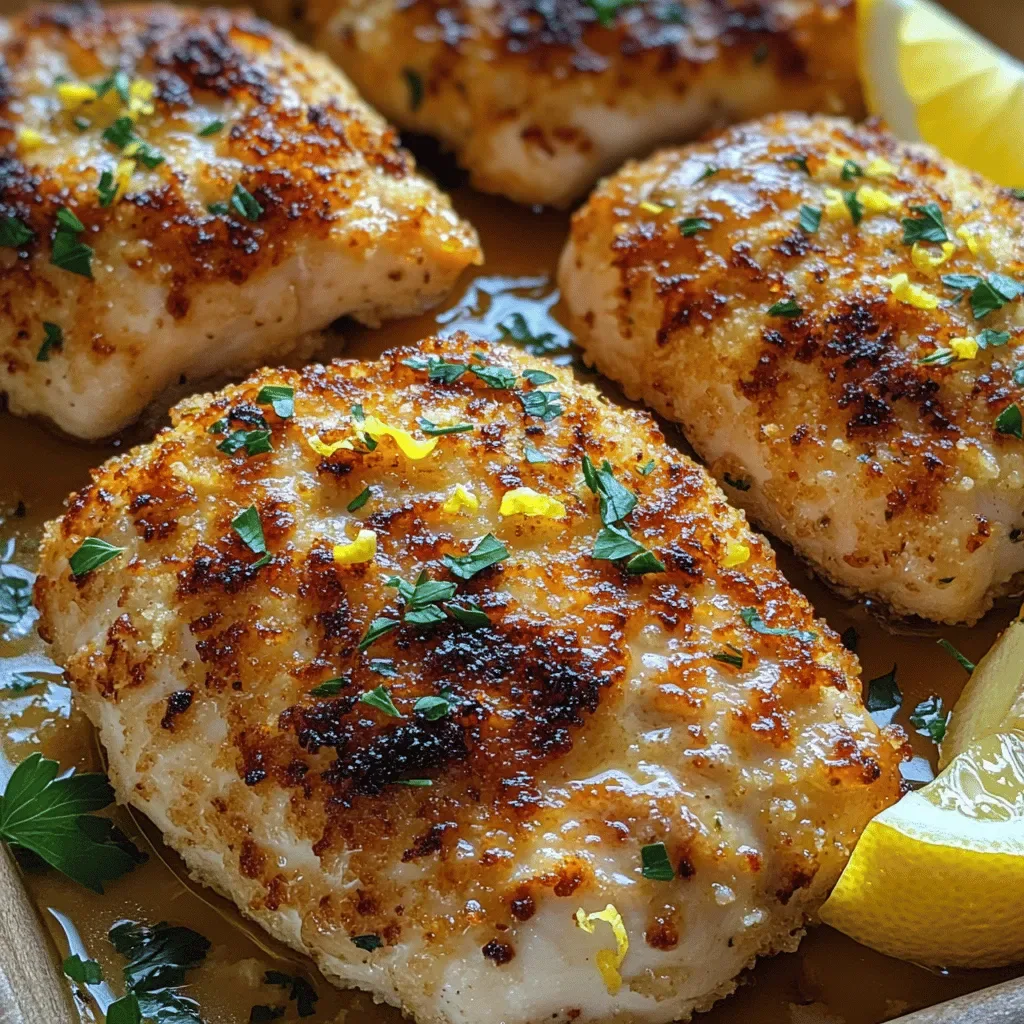
It was a balmy Saturday evening in late summer, and the backyard grill was still humming with the faint scent of charcoal when I first stumbled upon the idea for this dish. I was juggling a bottle of bourbon, a bowl of fresh pineapple, and a stack of chicken thighs, wondering how to bring them together without creating a culinary disaster. The moment I tossed the first piece of chicken into a hot pan, a sizzle rose like a promise, and the kitchen filled with a sweet‑savory perfume that made my stomach growl in anticipation. I remember the first bite – the caramelized pineapple’s tropical brightness clashed perfectly with the deep, smoky bourbon glaze, and I knew I had discovered something truly special.
What makes this recipe stand out isn’t just the flavor marriage; it’s the way each component respects the other while still shouting its own personality. The chicken stays juicy thanks to a light dusting of cornstarch that creates a crisp, golden crust, while the bourbon‑soy sauce brings a depth that feels both comforting and a little daring. And then there’s the pineapple, caramelized just enough to develop those amber‑brown edges that add a whisper of caramel without turning the dish into a dessert. Imagine the moment you lift the lid and a cloud of fragrant steam hits you, carrying notes of ginger, garlic, and a faint hint of smoked oak – that’s the magic you’ll experience every time you serve this.
But there’s more than just taste. This dish is built on a series of small tricks that elevate a simple weeknight dinner into a restaurant‑quality experience. I’ll walk you through the exact steps that keep the chicken tender, the sauce glossy, and the pineapple perfectly caramelized without burning. There’s even a secret technique for deglazing that you’ll want to steal for every future stir‑fry or glaze you make. Have you ever wondered why a restaurant’s bourbon chicken never seems to have that sticky, glossy finish? The answer lies in a few overlooked details that I’m about to reveal.
Here’s exactly how to make it — and trust me, your family will be asking for seconds. The journey from raw ingredients to a plate that looks like it belongs on a food‑photography Instagram feed is easier than you think, and the payoff is massive. So grab your favorite skillet, a good bottle of bourbon, and let’s dive into a dinner that will become a staple in your culinary rotation. The best part? The secret trick in step four will change the way you think about caramelizing fruit forever.
🌟 Why This Recipe Works
- Flavor Depth: The combination of bourbon, soy sauce, and brown sugar creates layers of sweet, salty, and smoky notes that linger on the palate. Each bite feels like a mini‑adventure, moving from the bright acidity of pineapple to the comforting warmth of bourbon‑infused sauce.
- Texture Contrast: A light dusting of cornstarch on the chicken gives it a crisp exterior while keeping the interior moist and tender. Meanwhile, the pineapple pieces develop caramelized edges that add a pleasant chewiness against the silky sauce.
- Ease of Execution: All the steps can be completed in under an hour, making it perfect for busy weeknights without sacrificing flavor. The ingredients are pantry‑friendly, and the technique uses one skillet for most of the cooking, minimizing cleanup.
- Time Efficiency: While the sauce simmers, you can prep the pineapple and garnish, so nothing sits idle. This overlapping of tasks keeps the cooking flow smooth and reduces overall kitchen time.
- Versatility: Swap chicken thighs for breasts, use canned pineapple if fresh isn’t available, or replace bourbon with a splash of dark rum for a different twist. The base flavors are forgiving enough to accommodate these changes without losing their essence.
- Nutrition Balance: With lean protein, a modest amount of natural sugars from pineapple, and a dash of healthy fats from butter, the dish offers a satisfying macronutrient profile without feeling heavy.
- Crowd‑Pleasing Factor: The sweet‑savory dynamic appeals to both kids and adults, and the subtle heat from red pepper flakes adds just enough excitement for adventurous eaters. It’s the kind of dish that sparks conversation around the table.
🥗 Ingredients Breakdown
The Foundation: Chicken & Cornstarch
The star of the show is the chicken, and I personally prefer thighs because their higher fat content keeps them moist during the high‑heat sear. If you’re watching your fat intake, boneless, skinless breasts work fine, but be careful not to overcook them – they can dry out quickly. The cornstarch isn’t just for crispness; it creates a protective barrier that locks in juices while giving the sauce a perfect thickened body. A quick tip: dust the chicken lightly and shake off excess before it hits the pan to avoid a gummy coating.
Aromatics & Spices: Garlic, Ginger, and Red Pepper Flakes
Garlic and ginger are the dynamic duo that awaken the palate, delivering warmth and a subtle zing that balances the sweet pineapple. I always mince the garlic finely so it distributes evenly, while grated fresh ginger adds a bright, slightly peppery note that powdered ginger can’t match. The crushed red pepper flakes are optional, but a pinch can elevate the dish from comforting to exciting – just enough to make your taste buds tingle without overwhelming the sweetness.
The Secret Weapons: Bourbon, Soy Sauce, and Brown Sugar
Bourbon brings a smoky, caramel‑laden backbone that feels luxurious yet familiar. Don’t worry about the alcohol; it evaporates during cooking, leaving behind a deep, nuanced flavor. Soy sauce adds salty umami, while brown sugar provides a mellow sweetness that rounds out the bourbon’s edge. Together they create a sauce that’s glossy, thick, and utterly addictive. If you’re avoiding alcohol, substitute with a splash of strong brewed tea and a dash of liquid smoke for a similar depth.
The Sweet Finish: Caramelized Pineapple & Butter
Fresh pineapple gives a burst of tropical brightness that contrasts beautifully with the savory sauce. Cutting it into 1‑inch chunks ensures each piece caramelizes evenly, creating those coveted golden edges that add texture and flavor. A tablespoon of butter enriches the caramelization process, lending a velvety mouthfeel that ties the whole dish together. If fresh pineapple isn’t in season, a good quality canned version (in its own juice, not syrup) works just as well.
Finishing Touches: Green Onions, Sesame Seeds, and Cilantro
These garnishes aren’t just for looks; they add fresh, herbaceous notes and a pleasant crunch that brightens the plate. Sliced green onions bring a mild oniony snap, while sesame seeds add a nutty depth that echoes the bourbon’s caramel tones. A few cilantro leaves at the end give a pop of green color and a citrusy aroma that lifts the entire dish. Feel free to omit cilantro if you’re not a fan – the dish still shines without it.
With your ingredients prepped and ready, let's get cooking. Here’s where the fun really begins, and I promise you’ll discover a couple of tricks that turn a simple skillet dinner into a show‑stopping centerpiece.

🍳 Step-by-Step Instructions
Start by patting the chicken pieces dry with paper towels, then season them with the 1/2 tsp of salt and 1/2 tsp of black pepper. Toss the chicken in the 2 tbsp of cornstarch, making sure each piece is lightly coated; this will give you that coveted golden crust. Heat 2 tbsp of vegetable oil in a large skillet over medium‑high heat until it shimmers, then add the chicken in a single layer. Let the pieces sear without moving them for about 3‑4 minutes, listening for that satisfying sizzle that tells you the Maillard reaction is in full swing. Flip the chicken and sear the other side until both sides are a deep amber, then transfer the meat to a plate and set aside.
In the same skillet, reduce the heat to medium and add the tablespoon of butter. As it melts, stir in the minced garlic and grated ginger, letting them perfume the butter for about 30 seconds – you’ll notice a fragrant aroma that hints at the flavor explosion to come. Add the pineapple chunks and sprinkle the granulated sugar over them; this sugar will help the pineapple caramelize beautifully. Cook the pineapple, stirring occasionally, until the edges turn a rich, caramel‑brown color, about 4‑5 minutes. Be careful not to let the sugar burn; a quick stir every now and then keeps the caramelization even.
Now, it’s time for the bourbon sauce. Carefully pour in 1/2 cup of bourbon, letting the alcohol sizzle and reduce for about 1‑2 minutes; this is where the magic happens as the alcohol evaporates, leaving behind a deep, smoky sweetness. Add the soy sauce, brown sugar, apple cider vinegar, chicken broth, and ketchup, stirring constantly to dissolve any remaining sugar. Bring the mixture to a gentle boil, then lower the heat and let it simmer for 5‑6 minutes, or until the sauce thickens enough to coat the back of a spoon. If you prefer a thicker glaze, let it reduce a little longer – just keep an eye on it to avoid scorching.
Return the seared chicken to the skillet, nestling the pieces among the caramelized pineapple. Sprinkle in the crushed red pepper flakes if you like a subtle heat, then stir everything together so the sauce coats each piece evenly. Let the chicken simmer in the sauce for another 5‑7 minutes; this allows the meat to absorb the bourbon‑infused flavors while staying juicy. You’ll know it’s ready when the sauce clings to the chicken and the pineapple pieces look glossy and inviting.
While the chicken finishes cooking, prepare your garnish. Slice the green onions thinly on a diagonal for a longer, more elegant look, and toast the sesame seeds in a dry pan for just 30 seconds until they turn golden and fragrant. If you’re using fresh cilantro, give the leaves a quick rinse and pat them dry – you’ll add them at the very end to preserve their bright color and aroma.
Once the sauce has thickened to your liking, turn off the heat and sprinkle the toasted sesame seeds, sliced green onions, and cilantro over the top. The bright green garnish not only adds visual appeal but also a fresh contrast that cuts through the richness of the bourbon glaze. Let the dish rest for two minutes; this short resting period lets the flavors meld even further, making every bite more harmonious.
Serve the bourbon chicken over a bed of steamed jasmine rice, quinoa, or even cauliflower rice for a low‑carb option. Spoon extra sauce over the grains so they soak up the sweet‑savory goodness. Go ahead, take a taste — you’ll know exactly when it’s right because the sauce will be glossy, the chicken tender, and the pineapple caramelized to perfection. Pair it with a crisp green salad or roasted vegetables, and you’ve got a complete, balanced dinner that feels both indulgent and wholesome.
And there you have it! But before you dig in, let me share some tips that will take this from great to absolutely unforgettable…
🔐 Expert Tips for Perfect Results
The Taste Test Trick
Before you add the final splash of soy sauce, pause and taste the sauce with a clean spoon. A quick lick will reveal whether you need a touch more sweetness, acidity, or salt. Trust your palate – if the sauce feels a little flat, a pinch of sea salt or a drizzle of extra bourbon can instantly revive it. I once added too much vinegar and the sauce turned sharp; a tiny pinch of sugar rescued it and brought the flavors back into harmony.
Why Resting Time Matters More Than You Think
After the chicken has finished cooking, let it rest for at least two minutes before serving. This short pause allows the juices to redistribute, preventing them from spilling out when you cut into the meat. Resting also gives the sauce a chance to settle, so it doesn’t run off the plate. The result? Every forkful is moist, flavorful, and perfectly coated.
The Seasoning Secret Pros Won’t Tell You
Professional chefs often finish a sauce with a dash of finishing salt, like flaky sea salt or a pinch of smoked salt, right before plating. This final touch amplifies the flavor layers and adds a subtle crunch. I love using a tiny sprinkle of smoked salt on the garnish – it echoes the bourbon’s smoky notes and adds an unexpected texture.
Caramelizing Without Burning
When caramelizing pineapple, keep the heat medium rather than high. The sugar can burn quickly, turning bitter, which ruins the balance. If you notice the edges darkening too fast, lower the heat and add a splash of water or a bit more bourbon to deglaze. Patience here pays off with those perfect amber‑brown caramelized edges that taste like sunshine.
The One‑Pan Cleanup Hack
After you’ve plated the dish, return the skillet to low heat, add a splash of chicken broth, and scrape up any browned bits. This creates a quick pan sauce you can drizzle over rice, adding even more flavor while cleaning the pan in one go. It’s a small step that turns potential cleanup into an extra flavor boost.
🌈 Delicious Variations to Try
One of my favorite things about this recipe is how versatile it is. Here are some twists I've tried and loved:
Spicy Mango Madness
Swap the pineapple for fresh mango cubes and add a teaspoon of sriracha to the bourbon sauce. The mango’s buttery sweetness pairs beautifully with the heat, creating a tropical‑fire combo that’s perfect for summer evenings.
Smoky Chipotle Bourbon
Replace the red pepper flakes with a tablespoon of chipotle in adobo sauce, finely chopped. This adds a deep, smoky heat that complements the bourbon’s oak notes, turning the dish into a bold, Southwestern‑inspired feast.
Coconut Curry Fusion
Stir in a half‑cup of coconut milk and a tablespoon of Thai red curry paste after the bourbon has reduced. The creamy coconut balances the tangy sauce, while the curry paste introduces aromatic spices that take the dish to an exotic level.
Bourbon‑Glazed Tofu
For a vegetarian version, substitute the chicken with firm tofu, pressed and cubed. Toss the tofu in cornstarch, sear until golden, then follow the same sauce and pineapple steps. The tofu soaks up the bourbon glaze beautifully, offering a protein‑packed alternative.
Apple‑Infused Autumn
Add diced apples alongside the pineapple and a pinch of cinnamon to the sauce. The apples bring a subtle fall flavor, while cinnamon adds warmth that pairs wonderfully with bourbon during cooler months.
Herb‑Forward Green
Finish the dish with a generous handful of fresh basil and mint instead of cilantro. The herbaceous notes brighten the richness and give the plate a fresh, garden‑like aroma that’s perfect for spring gatherings.
📦 Storage & Reheating Tips
Refrigerator Storage
Allow the dish to cool to room temperature before transferring it to an airtight container. It will keep nicely in the fridge for up to three days. When reheating, add a splash of chicken broth or water to the skillet to revive the sauce’s glossy texture.
Freezing Instructions
Portion the chicken and pineapple into freezer‑safe bags, leaving a little headroom for expansion. Freeze for up to two months. To reheat, thaw overnight in the fridge, then gently warm in a skillet over medium heat, stirring occasionally until the sauce thickens again.
Reheating Methods
The best way to reheat without drying out the chicken is to use a covered skillet on low heat, adding a tablespoon of broth or water and covering with a lid for 5‑7 minutes. For a microwave, cover the dish with a damp paper towel and heat in 30‑second bursts, stirring in between, until hot throughout.