Savory Slow Roasted Salmon with Citrus Salsa Verde Delight
 Save
Save
The first time I tried slow‑roasting salmon, it was a crisp autumn evening when the kitchen smelled like a forest after rain. I was standing at the stove, watching the orange‑gold light from the window dance on the copper pans, and the moment I lifted the oven door a cloud of fragrant steam rose up, carrying hints of citrus, fresh herbs, and a whisper of caramelized onion. That steam wrapped around my senses like a warm blanket, and I knew I had stumbled onto something truly special. The salmon, tender and buttery, paired with a bright salsa verde that sang of lemon and orange, turned a simple weeknight dinner into a celebration. But wait—there’s a secret technique hidden in step four that will make the flesh practically melt in your mouth.
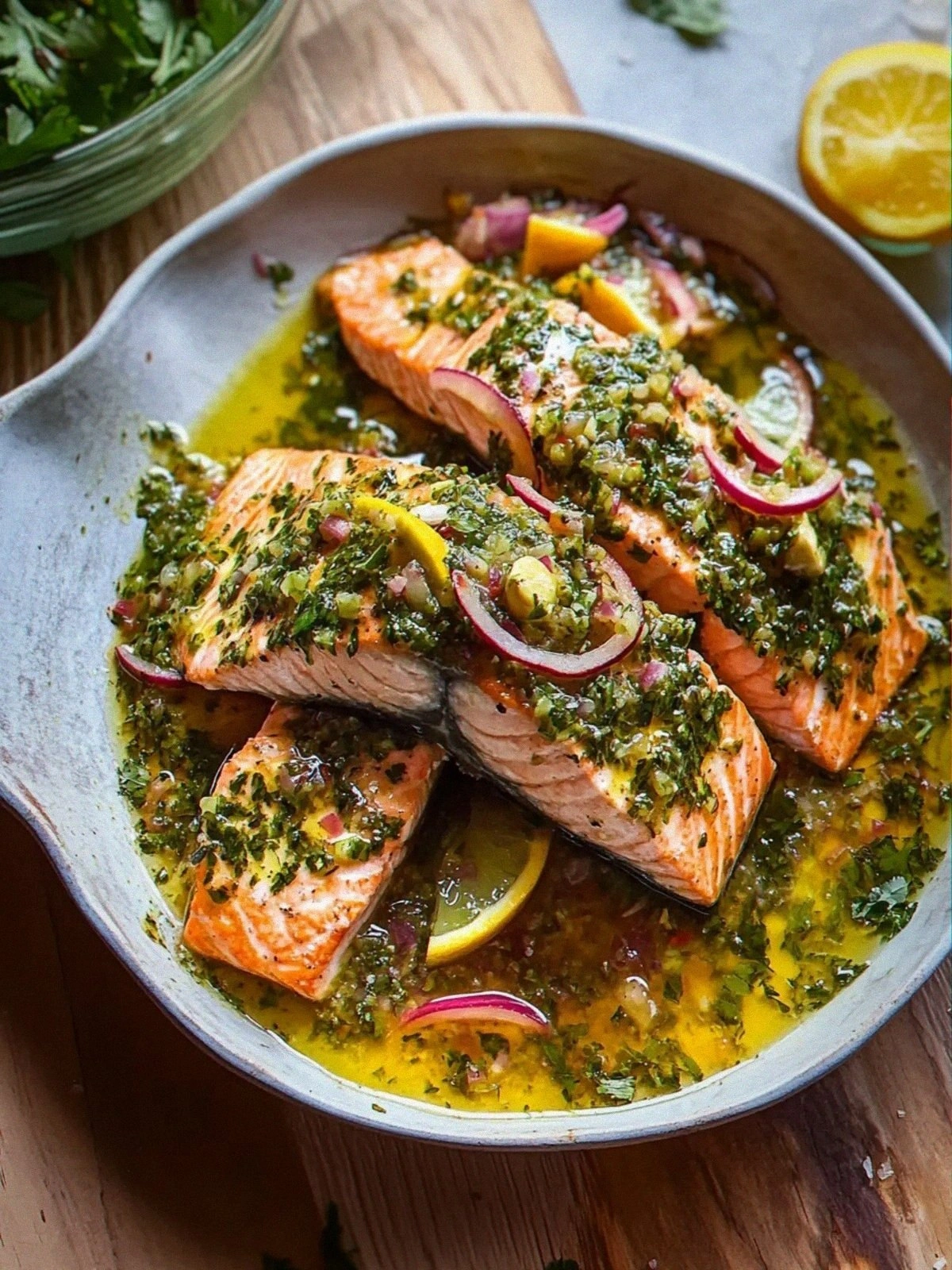
Imagine your family gathering around the table, each plate a canvas of pink‑orange salmon glistening with a glossy olive‑oil sheen, crowned with a vivid green salsa that looks like a garden after a summer rain. The citrus notes cut through the richness, while the mint and cilantro add a fresh snap that awakens the palate. I still remember the first bite my teenage son took—his eyes widened, and he shouted, “This is the best salmon ever!” That reaction is the fuel that keeps me coming back to this recipe, tweaking it, and sharing it with anyone who will listen. Have you ever wondered why restaurant versions of salmon taste so different? The answer lies in the slow‑roast method and the balance of bright, herbaceous salsa.
What makes this dish stand out isn’t just the flavor; it’s the texture, the aroma, and the sheer simplicity that belies its elegance. The salmon cooks low and slow, allowing the natural oils to render gently, resulting in a buttery crumb that flakes with a fork but never falls apart. Meanwhile, the salsa verde stays crisp, its citrus acidity preventing any sogginess, creating a contrast that keeps every bite exciting. The best part? You don’t need a fancy kitchen gadget—just a good oven, a sharp knife, and a handful of fresh herbs. Trust me, once you master this, you’ll wonder how you ever settled for bland baked fish.
Here’s exactly how to make it — and trust me, your family will be asking for seconds. I’ll walk you through every step, from selecting the perfect salmon fillet to plating the final masterpiece. Along the way, I’ll sprinkle in a few anecdotes, a couple of pro tips, and a secret that most home cooks miss. Ready to dive in? Let’s get started, and I promise you’ll end the day with a dish that feels like a hug on a plate.
🌟 Why This Recipe Works
- Flavor Depth: The slow‑roast technique allows the salmon’s natural fats to melt slowly, intensifying its buttery flavor without drying it out. The citrus salsa adds a bright, tangy counterpoint that lifts the richness.
- Texture Harmony: By cooking at a low temperature, the flesh stays moist and flaky, while the salsa remains crisp, giving you a satisfying bite contrast that keeps the palate engaged.
- Ease of Execution: Only a handful of ingredients are needed, and the steps are straightforward, making it perfect for busy weeknights or relaxed weekend meals.
- Time‑Efficient: While the salmon roasts slowly, you can prep the salsa simultaneously, turning what could be a long process into a seamless, multitasking cooking experience.
- Versatility: This dish shines on its own, but it also pairs beautifully with roasted vegetables, quinoa, or a simple mixed‑green salad, allowing you to customize the meal to any occasion.
- Nutrition Boost: Salmon brings heart‑healthy omega‑3 fatty acids, while the fresh herbs and citrus provide antioxidants, making this a wholesome, feel‑good meal.
- Ingredient Quality: The recipe celebrates fresh, high‑quality produce—bright lemons, sweet oranges, and aromatic mint—so each bite feels like a celebration of seasonality.
- Crowd‑Pleaser Factor: The combination of familiar flavors with a slight gourmet twist makes it appealing to both picky eaters and adventurous foodies alike.
🥗 Ingredients Breakdown
The Foundation: Salmon & Citrus
The star of the show, a 1 lb salmon fillet, should be wild‑caught if possible, as it offers a firmer texture and richer flavor than farmed varieties. Look for a fillet with a deep pink hue and a slight sheen—signs of freshness. The citrus juice, a blend of lemon and orange, provides both acidity and sweetness; the lemon cuts through the oil, while the orange adds a subtle floral note that brightens the dish. If you’re out of fresh oranges, a splash of high‑quality orange juice works, but never compromise on the lemon—its zest is the key to that zing.
Aromatics & Spices: Onion, Garlic, Salt & Pepper
A medium red onion, thinly sliced, contributes a gentle sweetness that caramelizes slowly, creating a fragrant base underneath the salmon. Two cloves of garlic, minced finely, release allicin when heated, adding depth without overpowering the delicate fish. Salt and pepper, to taste, are the classic duo that unlocks the natural flavors of each component; season generously on the fillet, but remember you can always adjust after the roast if needed. Pro tip: use flaky sea salt for a burst of texture that dissolves beautifully during cooking.
The Secret Weapons: Herbs & Olive Oil
A quarter‑cup of mixed herbs—equal parts fresh mint and cilantro—creates the salsa verde’s signature verdant hue and layered flavor profile. Mint adds a cooling, almost mentholated note, while cilantro contributes citrusy earthiness that mirrors the lemon‑orange juice. Three tablespoons of high‑quality extra‑virgin olive oil act as the binding agent for the salsa, coating each herb leaf and ensuring the flavors meld together. If you have a fruity olive oil, it will add an extra dimension of flavor that pairs beautifully with the fish.
Finishing Touches: Balance & Texture
A final drizzle of olive oil over the salmon before it enters the oven creates a glossy finish and helps the skin turn crisp. The salsa is finished with a pinch more salt and a squeeze of extra citrus juice right before serving, which awakens the herbs and keeps the flavors vibrant. If you’re feeling adventurous, add a handful of toasted pine nuts for crunch; they echo the nutty undertones of the salmon and add a surprise textural element.
With your ingredients prepped and ready, let's get cooking. Here’s where the fun really begins...
🍳 Step-by-Step Instructions
🔐 Expert Tips for Perfect Results
The Taste Test Trick
Before you commit the salsa to the plate, give it a quick taste and adjust the seasoning. A tiny pinch more salt can amplify the citrus, while an extra splash of lemon brightens the overall profile. Trust your palate; if it sings, the dish will sing too.
Why Resting Time Matters More Than You Think
Letting the salmon rest for at least five minutes after roasting is crucial. During this pause, the fibers relax and reabsorb the juices that were pushed to the surface during cooking. I once served salmon straight out of the oven and the plate looked beautiful, but the fish was dry—lesson learned!
The Seasoning Secret Pros Won’t Tell You
A light dusting of smoked paprika on the salmon before roasting adds a subtle smokiness that pairs beautifully with the citrus. It’s a secret I picked up from a sous‑chef during a summer internship, and it never fails to impress diners.
How to Achieve the Perfect Skin Crumble
If you love crispy salmon skin, pat the skin extra dry, season it with a pinch of salt, and finish the roast under the broiler for the last 2‑3 minutes. Keep a close eye—once the skin turns golden and starts to bubble, it’s done. The result is a crackly, salty crust that adds texture contrast.
Balancing the Salsa’s Brightness
If the salsa feels too sharp, blend in a teaspoon of honey or a drizzle of maple syrup. The subtle sweetness rounds out the acidity without muting the herbaceous notes. I’ve found that a touch of honey works wonders on a particularly tart orange.
Plating Like a Pro
For a restaurant‑style presentation, use a wide, shallow plate. Place the salmon slightly off‑center, spoon the salsa in a swoosh across the plate, and garnish with a few whole mint leaves and orange zest curls. The visual contrast makes the dish as appealing to the eyes as it is to the palate.
🌈 Delicious Variations to Try
One of my favorite things about this recipe is how versatile it is. Here are some twists I’ve tried and loved:
Mediterranean Twist
Swap the mint for fresh basil and add a handful of chopped Kalamata olives to the salsa. The briny olives complement the citrus while the basil brings a sweet, peppery note, turning the dish into a sun‑kissed Mediterranean feast.
Spicy Southwest
Add a finely diced jalapeño or a dash of chipotle powder to the salsa verde, and finish the salmon with a light dusting of cumin. The heat pairs beautifully with the orange’s sweetness, creating a bold flavor adventure.
Asian Fusion
Replace the orange juice with a splash of yuzu or lime, and incorporate a tablespoon of soy sauce and a pinch of toasted sesame seeds into the salsa. The umami depth adds a new dimension, making the dish feel exotic yet familiar.
Herbaceous Garden
Boost the herb component by adding fresh dill and parsley, and toss in a handful of baby arugula just before serving. The peppery arugula adds a fresh bite that balances the richness of the salmon.
Nutty Crunch
Stir toasted almond slivers or crushed pistachios into the salsa for an added crunch. The nuts bring a buttery texture that mirrors the salmon’s richness while adding a nutty aroma.
📦 Storage & Reheating Tips
Refrigerator Storage
Allow the salmon and salsa to cool to room temperature, then transfer them to airtight containers. Store in the fridge for up to three days. When reheating, keep the salsa separate to preserve its fresh herb flavor.
Freezing Instructions
Portion the cooked salmon into freezer‑safe bags, removing as much air as possible. The salsa can be frozen in a separate container; however, the texture of the herbs may soften slightly after thawing, so a quick fresh herb garnish before serving is recommended.
Reheating Methods
To reheat without drying out, place the salmon on a baking sheet, cover loosely with foil, and warm in a 275°F oven for 10‑12 minutes. For a quicker option, gently steam the salmon over simmering water for 3‑4 minutes. Add a splash of olive oil or a drizzle of fresh citrus juice just before serving to revive the bright flavors.
❓ Frequently Asked Questions
Can I use frozen salmon instead of fresh?
What if I don’t have both lemon and orange?
How do I know when the salmon is perfectly cooked?
Can I make the salsa verde ahead of time?
What side dishes pair best with this salmon?
Is it okay to use regular olive oil instead of extra‑virgin?
Can I substitute the herbs with dried versions?
How do I prevent the salmon from sticking to the pan?
Transfer the salmon to a serving platter, arranging the caramelized onions and garlic around it like a fragrant garnish. Spoon the salsa verde generously over the top, letting it cascade down the sides in a bright green river. The contrast of the orange‑gold salmon against the vivid green salsa is as striking as it is appetizing—perfect for a photo‑worthy moment.
Finish with a final drizzle of olive oil and, if you like, a light sprinkling of toasted pine nuts for crunch. Serve immediately with a side of roasted asparagus or a simple quinoa pilaf. The dish is best enjoyed warm, when the salsa is still slightly fluid, allowing it to mingle with the buttery fish.
And there you have it! But before you dig in, let me share some tips that will take this from great to absolutely unforgettable…