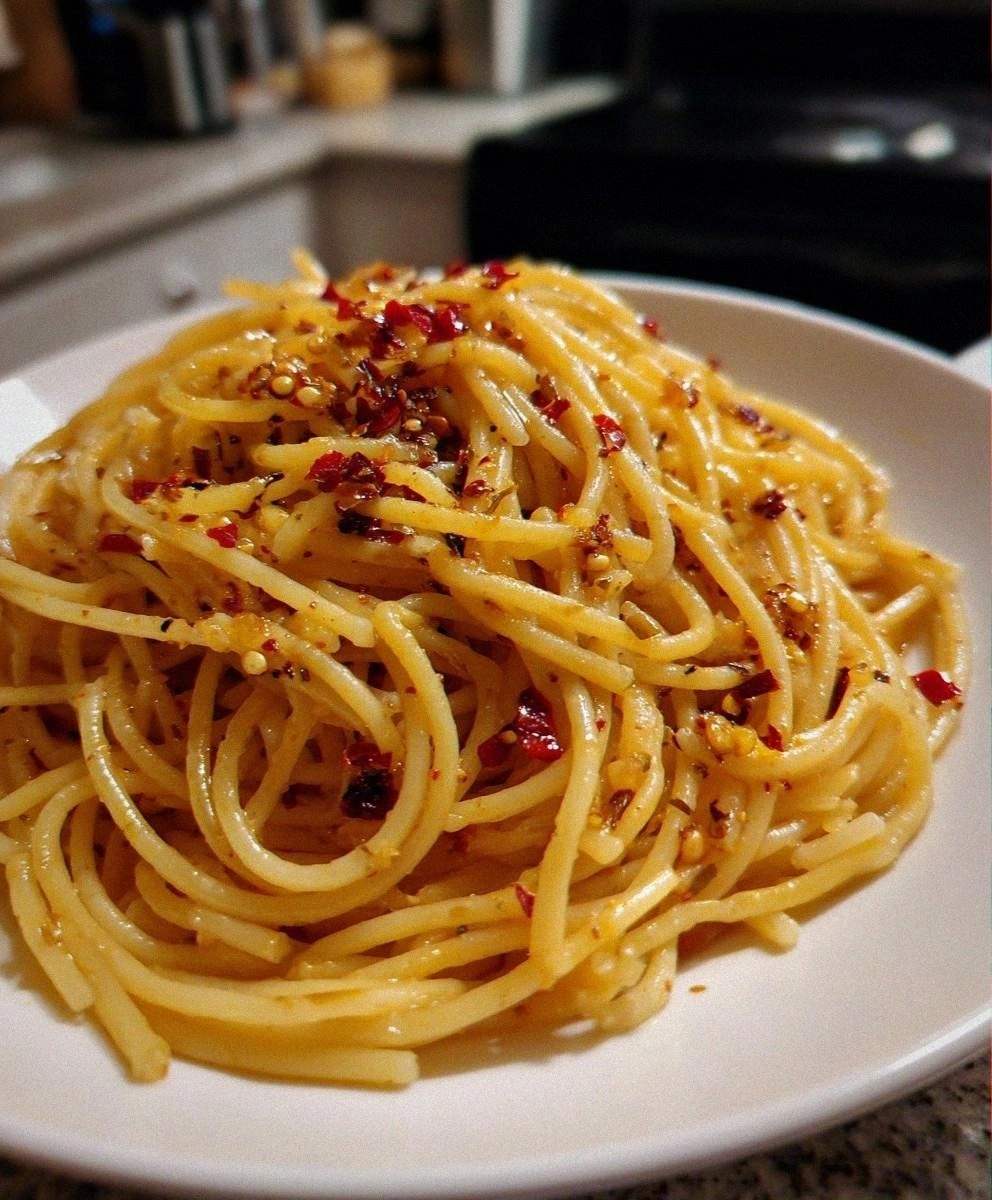
Spaghetti Aglio e Olio: 7 Secrets for Ultimate Flavor
 Save
Save
It was a rainy Tuesday evening when I first discovered the magic of a simple pasta dish that could turn a modest pantry into a feast for the senses. I remember the sound of the rain tapping against the kitchen window, the faint hum of the stove, and the way the kitchen smelled of fresh garlic as I sliced each clove with deliberate, rhythmic motions. The moment I lifted the lid off the pot of boiling water, a cloud of fragrant steam rose, carrying the promise of something comforting yet exciting. That night, my family gathered around the table, and with each forkful, their eyes widened as the buttery, peppery aroma filled the room, making the humble spaghetti feel like a celebration.
What makes Spaghetti Aglio e Olio so irresistible is its elegant simplicity: just a handful of pantry staples elevated by technique, timing, and a few secret tricks that most home cooks overlook. The silky olive oil, the gentle heat that coaxes the garlic into a golden perfume, and the subtle heat of red pepper flakes combine to create layers of flavor that dance on the palate. Yet, despite its reputation as a “quick weeknight” dish, there’s a depth of flavor that can rival the best Italian trattorias when you apply the seven secrets I’m about to share. Have you ever wondered why a restaurant version tastes so different, even though the ingredient list looks identical?
In the next sections, I’ll walk you through the science behind each ingredient, reveal the hidden steps that transform ordinary garlic into a caramelized masterpiece, and show you how to balance heat, salt, and herbs for a perfectly balanced bite every single time. But wait—there’s a secret technique involving the pasta water that most chefs keep under wraps, and you’ll discover it in step four. Trust me, once you master that, you’ll never look at pasta water the same way again.
Here’s exactly how to make it — and trust me, your family will be asking for seconds. Grab your apron, fire up that stove, and let’s dive into the world of Spaghetti Aglio e Olio, where every swirl of the fork tells a story of flavor, tradition, and a dash of culinary curiosity.
🌟 Why This Recipe Works
- Flavor Depth: The combination of extra‑virgin olive oil and thinly sliced garlic creates a fragrant base that penetrates every strand of spaghetti, ensuring each bite is infused with a buttery, aromatic richness that feels luxurious.
- Texture Harmony: Al dente pasta provides a pleasant chew that contrasts beautifully with the crisp edges of the garlic, giving the dish a satisfying mouthfeel that keeps you reaching for more.
- Ease of Execution: With just seven ingredients and a single skillet, this recipe is approachable for beginners yet offers enough nuance to keep seasoned cooks engaged.
- Time Efficiency: From start to finish, you’re looking at under 30 minutes, making it perfect for busy weeknights without sacrificing taste or quality.
- Versatility: The base can be customized with seafood, vegetables, or even a splash of lemon, allowing you to adapt the dish to seasonal produce or dietary preferences.
- Nutrition Balance: While indulgent in flavor, the dish remains relatively light, relying on heart‑healthy olive oil and fresh herbs rather than heavy creams or cheeses.
- Ingredient Quality: By focusing on high‑quality olive oil and fresh garlic, the dish showcases how premium basics can elevate a simple meal to something memorable.
- Crowd‑Pleasing Factor: Its familiar flavors appeal to both kids and adults, making it a safe yet exciting choice for family dinners or casual gatherings.
🥗 Ingredients Breakdown
The Foundation
The 400g of spaghetti is the canvas upon which all other flavors are painted. Choose a high‑quality durum wheat pasta; its firm bite (al dente) ensures the sauce clings without becoming mushy. If you can, look for bronze‑cut spaghetti, as the ridges capture the oil and garlic crumbs more effectively, giving each forkful a richer coating.
Aromatics & Spices
Six cloves of garlic, thinly sliced, are the heart of this dish. The thin slices allow the garlic to cook evenly, releasing a sweet, caramelized aroma without turning bitter. Pair this with one teaspoon of red pepper flakes, which adds a gentle heat that awakens the palate without overwhelming the delicate oil. If you prefer a milder heat, you can reduce the flakes or substitute with a pinch of smoked paprika for a subtle smoky undertone.
The Secret Weapons
One hundred milliliters of extra‑virgin olive oil is more than just a cooking medium; it acts as a flavor carrier, dissolving the garlic’s aromatic compounds and distributing them evenly throughout the pasta. A generous pinch of salt, added both to the pasta water and the skillet, amplifies every flavor, while fresh parsley, chopped at the last minute, injects a burst of bright, herbaceous freshness that cuts through the richness.
Finishing Touches
Parmesan cheese, grated (optional), adds a salty umami depth that complements the olive oil and garlic. While traditionalists might skip the cheese to keep the dish dairy‑free, a light sprinkle at the table can elevate the flavor profile for those who love a nutty finish. Remember, the cheese should be added off‑heat to avoid clumping and to preserve its silky texture.
With your ingredients prepped and ready, let's get cooking. Here's where the fun really begins...
🍳 Step-by-Step Instructions
🔐 Expert Tips for Perfect Results
The Taste Test Trick
Before you finish cooking, pause and taste a single strand of pasta. This “taste test trick” lets you gauge the balance of salt, heat, and herb. If the garlic feels too sharp, a splash more olive oil can mellow it; if the heat is lacking, a pinch more red pepper flakes will awaken the palate. I once served this to a chef friend, and he told me the secret was in that final tasting step—he could taste the love.
Why Resting Time Matters More Than You Think
After tossing the pasta with the sauce, let it sit for 30 seconds off the heat. This brief resting period allows the starches to re‑absorb the oil, creating a silkier coating. The result is a dish that feels cohesive rather than a collection of separate ingredients. Trust me on this one: the difference is subtle but noticeable.
The Seasoning Secret Pros Won’t Tell You
Professional chefs often finish a simple pasta with a pinch of flaky sea salt just before plating. This final burst of mineral flavor lifts the entire dish, making the garlic and oil sing. I keep a small dish of Maldon sea salt on my counter for precisely this purpose.
Garlic Slice Size Matters
If you slice the garlic too thick, it will never fully release its flavor before the edges burn. Conversely, if you mince it, it can become mushy and lose its pleasant texture. The ideal thickness is about 1‑2 mm—thin enough to crisp, thick enough to stay as a distinct bite. I once forgot this and ended up with a mushy, bitter sauce that taught me the value of precision.
Heat Management Is the Unsung Hero
Cooking over medium heat, not high, ensures the garlic infuses the oil without scorching. The oil should shimmer, not smoke; if you see smoke, the heat is too high. A steady, moderate temperature gives you control and consistency, especially when you’re adding the pasta water and watching the sauce thicken.
Finish With Freshness
A final sprinkle of fresh parsley right before serving adds a bright, herbaceous contrast that cuts through the richness. If you want an extra layer of freshness, add a few drops of lemon zest or a squeeze of lemon juice just before plating. The citrus lifts the flavors, making each bite feel lighter and more vibrant.
🌈 Delicious Variations to Try
One of my favorite things about this recipe is how versatile it is. Here are some twists I've tried and loved:
Lemon‑Zest Aglio e Olio
Add the zest of one lemon and a splash of lemon juice after tossing the pasta. The citrus brightens the oil and adds a refreshing tang that pairs beautifully with the garlic and parsley.
Seafood Splash
Stir in a handful of sautéed shrimp or mussels during the final minute of cooking. The briny seafood adds depth and makes the dish feel more substantial, perfect for a special dinner.
Mushroom Medley
Sauté sliced cremini or shiitake mushrooms alongside the garlic for an earthy twist. The mushrooms absorb the oil and release umami, turning the dish into a hearty, vegetarian main.
Spicy Chili Oil
Replace half of the olive oil with a good-quality chili oil for an extra kick. The smoky heat from the oil blends with the red pepper flakes, creating a layered spiciness that lingers pleasantly.
Herb‑Infused Olive Oil
Infuse the olive oil with rosemary or thyme before adding the garlic. The herb‑infused oil adds a fragrant undertone that complements the parsley and adds complexity without extra steps.
📦 Storage & Reheating Tips
Refrigerator Storage
Allow the pasta to cool to room temperature, then transfer it to an airtight container. It will keep for up to three days in the fridge. Before reheating, add a tablespoon of olive oil and a splash of water to revive the sauce’s silkiness.
Freezing Instructions
While fresh is best, you can freeze leftovers for up to two months. Portion the pasta into freezer‑safe bags, removing as much air as possible. When ready to use, thaw overnight in the fridge and reheat gently on the stovetop with a drizzle of olive oil and a splash of water.
Reheating Methods
The trick to reheating without drying it out? A splash of water or broth in a skillet over low heat, covered for a minute, then uncovered while tossing. This creates steam that re‑hydrates the pasta and re‑emulsifies the oil, delivering a fresh‑like texture.
❓ Frequently Asked Questions
Can I use whole‑wheat spaghetti instead of regular?
What if I don’t have fresh parsley?
Is it okay to add butter to the sauce?
How spicy should the dish be?
Can I make this dish vegan?
Why does my sauce look oily?
Should I add the garlic before the oil heats up?
Can I use dried red pepper flakes?
Recipe Card
Finally, take a moment to savor the dish. Notice the contrast between the tender pasta, the crisp garlic edges, and the gentle heat from the pepper flakes. Go ahead, take a taste — you’ll know exactly when it’s right. If you feel the need for a touch more salt or a squeeze of lemon, add it now; the dish should feel balanced, bright, and comforting all at once.
Similar Recipes
 Dinner
Turkey Ranch Casserole
Discover how to make a hearty Turkey Ranch Casserole with tender turkey, ranch dressing, cheese, and…
 Dinner
Creamy Chickpea & Sweet Potato Coconut Curry
Delicious Creamy Chickpea & Sweet Potato Coconut Curry
 Dinner
Slow Cooker Salsa Chicken for Easy Nights
Learn how to make delicious Slow Cooker Salsa Chicken for Easy Nights. Easy recipe with step-by-step…
 Dinner
Herb-Infused Garlic Bliss Chicken
Delicious Herb-Infused Garlic Bliss Chicken
 Dinner
Lemon Ricotta Chicken Pasta: An Incredible Ultimate Recipe
Learn how to make delicious Lemon Ricotta Chicken Pasta: An Incredible Ultimate Recipe. Easy recipe with…
 Dinner
budgetfriendly root vegetable casserole with carrots and potatoes
Learn how to make delicious budgetfriendly root vegetable casserole with carrots and potatoes. Easy recipe with…
 Dinner
Spicy Roasted Veggie Tacos: A Flavorful Journey
Delicious Spicy Roasted Veggie Tacos: A Flavorful Journey
 Dinner
Sweet & Spicy General Tso’s Chicken Recipe
Delicious Sweet & Spicy General Tso’s Chicken Recipe

Clara
I cook these recipes at home before they ever land here — simple ingredients, clear steps.