Sushi Sandwich: 7 Amazing Ways to Make This Ultimate Fusion Dish
 Save
Save
Why does this fusion work so well? Think about the textures: the tender chew of sushi rice, the crisp bite of fresh vegetables, the buttery softness of a brioche‑style bun, and the occasional pop of wasabi heat. Each component plays a role, and together they create a symphony that sings on the palate. The flavors are layered—sweet, salty, umami, and a whisper of acidity from pickled ginger that brightens every bite. And the best part? You don’t need a professional sushi knife or a sushi‑rolling mat; a simple kitchen knife and a good set of tongs are enough to bring this masterpiece to life. But wait until you see the secret trick in step 4 that turns an ordinary sandwich into a restaurant‑worthy experience.
I’ve already served this creation at birthday parties, potlucks, and even a casual Friday night dinner, and each time the reaction has been the same: wide eyes, delighted murmurs, and a chorus of “Can I have another?” It’s the kind of dish that invites you to experiment, to add a dash of your own personality, and to share the joy of cooking with friends and family. Imagine the satisfaction of cutting into a sandwich that reveals a rainbow of fillings, each layer telling its own story, while the aroma of toasted sesame and soy sauce fills the room. Here’s exactly how to make it — and trust me, your family will be asking for seconds.
🌟 Why This Recipe Works
- Flavor Depth: The combination of seasoned sushi rice and a lightly toasted bun creates a layered taste profile that’s both hearty and delicate. The rice brings a subtle tang from rice vinegar, while the bun adds a buttery richness that balances the umami of the fish.
- Texture Harmony: Crunchy cucumber, creamy avocado, and the soft chew of rice each contribute a distinct mouthfeel, preventing the sandwich from feeling one‑dimensional. This contrast keeps every bite exciting and prevents palate fatigue.
- Ease of Assembly: No fancy rolling mats or specialized tools are required; a simple kitchen towel and a sturdy cutting board do the trick. This makes the recipe accessible to beginners while still rewarding seasoned cooks.
- Time Efficiency: With a prep time of just fifteen minutes and a cooking window of thirty, you can have a gourmet‑looking dish on the table faster than most take‑out options. The steps are straightforward, and many components can be prepared simultaneously.
- Versatility: Whether you prefer seafood, vegetarian, or even a spicy kick, the base framework adapts effortlessly. Swap smoked salmon for tofu, or add a drizzle of sriracha for heat—your imagination is the only limit.
- Nutrition Boost: By incorporating sushi rice, fresh vegetables, and lean protein, the sandwich offers a balanced mix of carbs, protein, and healthy fats. It’s a satisfying meal that doesn’t leave you feeling sluggish.
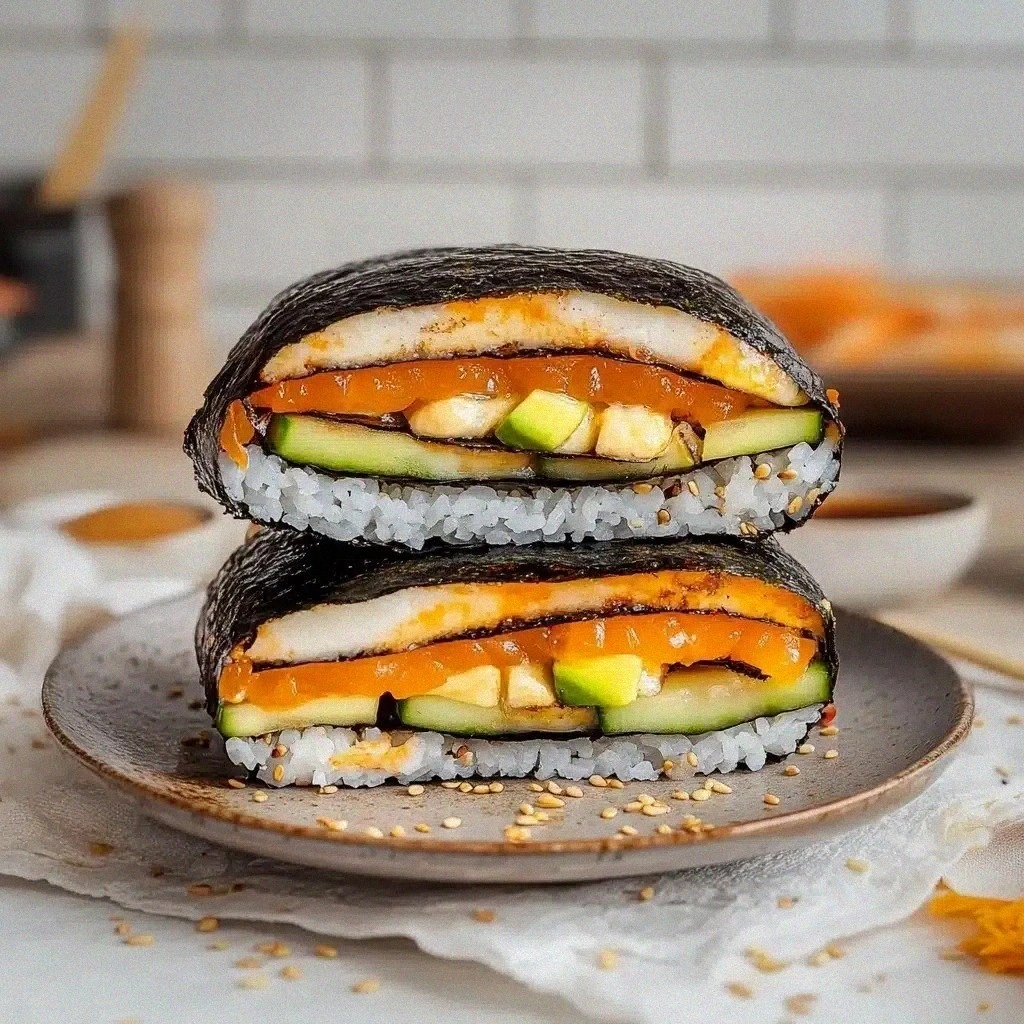
- Crowd‑Pleasing Factor: The visual impact of a cross‑sectioned sandwich, with bright greens and pink fish, is a conversation starter at any gathering. People are drawn to the novelty, and the taste keeps them coming back for more.
🥗 Ingredients Breakdown
The Foundation
The base of any sushi sandwich is the rice, and the quality of your sushi rice will dictate the overall texture. Use short‑grain Japanese rice, rinsed until the water runs clear, then cooked with a precise water‑to‑rice ratio for that perfect stickiness. Once cooked, season it with a blend of rice vinegar, sugar, and a pinch of salt; this sweet‑sour mixture not only flavors the rice but also helps it adhere to the bread. If you can’t find authentic sushi rice, a high‑quality arborio rice works in a pinch, though the texture will be slightly creamier.
Aromatics & Spreads
A good spread is the secret handshake that unites the sandwich layers. I love a simple blend of Japanese mayo with a splash of soy sauce, a drizzle of toasted sesame oil, and a hint of sriracha for heat. This mixture adds creaminess, umami, and a gentle kick that cuts through the richness of the fish. For a vegetarian version, swap the mayo for a smooth avocado‑lime puree, which brings a buttery mouthfeel and a citrusy brightness.
The Secret Weapons
Here’s where the magic truly happens: nori sheets, pickled ginger, and wasabi paste. Nori adds a salty, oceanic note that ties the dish back to its Japanese roots, while the pickled ginger provides a clean, palate‑resetting acidity between bites. A dab of wasabi awakens the senses with its sharp, sinus‑clearing heat, but a little goes a long way—just enough to make you smile. If you’re adventurous, a sprinkle of toasted sesame seeds or crushed peanuts adds an extra layer of crunch.
Finishing Touches
Fresh vegetables like cucumber, carrot ribbons, and avocado slices contribute color, crunch, and a buttery texture that balances the denser rice. Choose a sturdy, slightly sweet bun—brioche or milk‑enriched potato rolls work beautifully—because they can hold the moisture without falling apart. Finally, a drizzle of soy‑ginger glaze over the assembled sandwich adds a glossy finish and an extra burst of savory depth.
With your ingredients prepped and ready, let's get cooking. Here's where the fun really begins...
🍳 Step-by-Step Instructions
🔐 Expert Tips for Perfect Results
The Taste Test Trick
Before you seal the sandwich, take a tiny bite of the rice and seasoning mixture. This mini‑taste test lets you adjust the balance of vinegar, sugar, and salt on the spot, ensuring the rice isn’t too sour or too bland. I once served a batch that was a shade too tangy, and a quick dash of sugar saved the day. Trust your palate—it’s the best gauge for perfection.
Why Resting Time Matters More Than You Think
Allowing the assembled sandwich to rest for a couple of minutes does more than just settle the flavors; it lets the rice absorb a whisper of the mayo‑soy blend, creating a cohesive bite. This short pause also helps the bun’s crust retain its crunch, preventing it from becoming soggy. I’ve seen rushed sandwiches lose their texture, so set a timer and give it that brief, rewarding pause.
The Seasoning Secret Pros Won’t Tell You
A pinch of toasted furikake (Japanese rice seasoning) sprinkled over the rice adds an umami boost and a subtle crunch that most home cooks overlook. It’s a tiny ingredient with a massive impact—think of it as the culinary equivalent of a secret handshake. If you can’t find furikake, a blend of sea salt, dried bonito flakes, and a dash of dried nori works beautifully.
Balancing Heat and Sweet
When incorporating sriracha or a hot chili oil, remember that the sweetness of the rice and the richness of the mayo can quickly become overwhelmed. Start with a few drops, taste, and then decide if you need more. The best heat is the kind that lingers on the tongue without drowning the delicate fish flavors.
The Art of the Nori Wrap
Instead of laying a full sheet of nori flat, try folding it into a thin strip and tucking it along the side of the sandwich. This technique provides that salty oceanic note without making the whole bite taste like seaweed. I discovered this trick while watching a sushi chef on a travel show, and it’s become a staple in my own kitchen.
🌈 Delicious Variations to Try
One of my favorite things about this recipe is how versatile it is. Here are some twists I’ve tried and loved:
Spicy Tuna Crunch
Swap the smoked salmon for a mixture of canned tuna, mayo, sriracha, and finely chopped scallions. Add a handful of crispy fried onions for a satisfying crunch that contrasts the soft rice. The result is a fiery yet creamy bite that’s perfect for spice lovers.
Vegetarian Garden Delight
Replace the fish with marinated tofu cubes and load up on pickled radish, shredded carrots, and fresh spinach. A drizzle of miso‑tahini sauce adds depth, while the avocado keeps the sandwich lush and satisfying. This version proves you don’t need seafood to capture the essence of sushi.
Tempura Shrimp Luxe
Lightly coat shrimp in tempura batter, fry until golden, and place them atop the rice. The buttery crunch of tempura elevates the sandwich to a restaurant‑level indulgence, especially when paired with a drizzle of eel sauce. It’s a celebration of texture that will wow any guest.
Miso‑Glazed Eggplant
Slice eggplant thinly, brush with a miso‑mirin glaze, and roast until caramelized. Layer the smoky eggplant with cucumber and a smear of spicy mayo for a hearty, umami‑rich vegetarian option that feels indulgent.
Citrus‑Infused Salmon
Marinate salmon slices in a mixture of yuzu juice, soy sauce, and a touch of honey before searing. The citrus brightens the fish, making each bite feel fresh and light, while the honey adds a subtle caramel note that pairs beautifully with the sesame‑seeded bun.
Kimchi Fusion
Add a layer of well‑drained kimchi for a tangy, fermented kick that cuts through the richness of the mayo. This Korean twist introduces a bold flavor profile and a pleasant crunch, turning the sandwich into a cross‑cultural celebration.
📦 Storage & Reheating Tips
Refrigerator Storage
If you have leftovers, wrap the sandwich tightly in parchment paper followed by a layer of foil to prevent moisture loss. Store in the refrigerator for up to 24 hours. The rice may firm up a bit, but a quick microwave burst (10 seconds) will restore its softness without overcooking the bun.
Freezing Instructions
For longer storage, separate the components: keep the rice and fillings in airtight containers, and freeze the bun halves on a baking sheet before transferring them to a freezer bag. When ready to use, thaw the rice in the refrigerator overnight, then reheat gently on the stovetop with a splash of water to revive its texture.
Reheating Methods
The trick to reheating without drying it out? A splash of water in a covered skillet over low heat, or a quick 30‑second steam in the microwave with a damp paper towel. This method revives the rice’s stickiness while keeping the bun’s crust pleasantly crisp.
❓ Frequently Asked Questions
Can I use regular white bread instead of a bun?
Is it okay to use brown rice for a healthier version?
How can I make this gluten‑free?
What’s the best way to keep the rice from getting too dry?
Can I prepare the sandwich a day ahead?
What’s a good vegan alternative for the fish?
How do I prevent the nori from getting soggy?
Is there a shortcut for the rice seasoning?
Recipe Card
Finish with a drizzle of soy‑ginger glaze. In a tiny saucepan, combine 2 tablespoons soy sauce, 1 teaspoon grated ginger, ½ teaspoon honey, and a splash of water. Warm over low heat until the honey dissolves, then brush lightly over the top of the sandwich. This glaze adds shine and a final burst of savory‑sweet balance.
Cap the sandwich with the top bun half, press gently, and let it sit for a minute to allow the flavors to meld. Slice diagonally with a serrated knife, and watch the layers reveal themselves—rice, fish, veggies, and that beautiful nori strip peeking out.
Serve immediately with a side of pickled ginger and extra soy sauce for dipping. The contrast of the cool ginger against the warm sandwich creates a refreshing palate reset after each bite. Trust me on this one: the first bite will be unforgettable, and you’ll want to repeat the experience again and again.