Delicious Chicken Chow Mein: Your New Favorite Weeknight Meal
 Save
Save
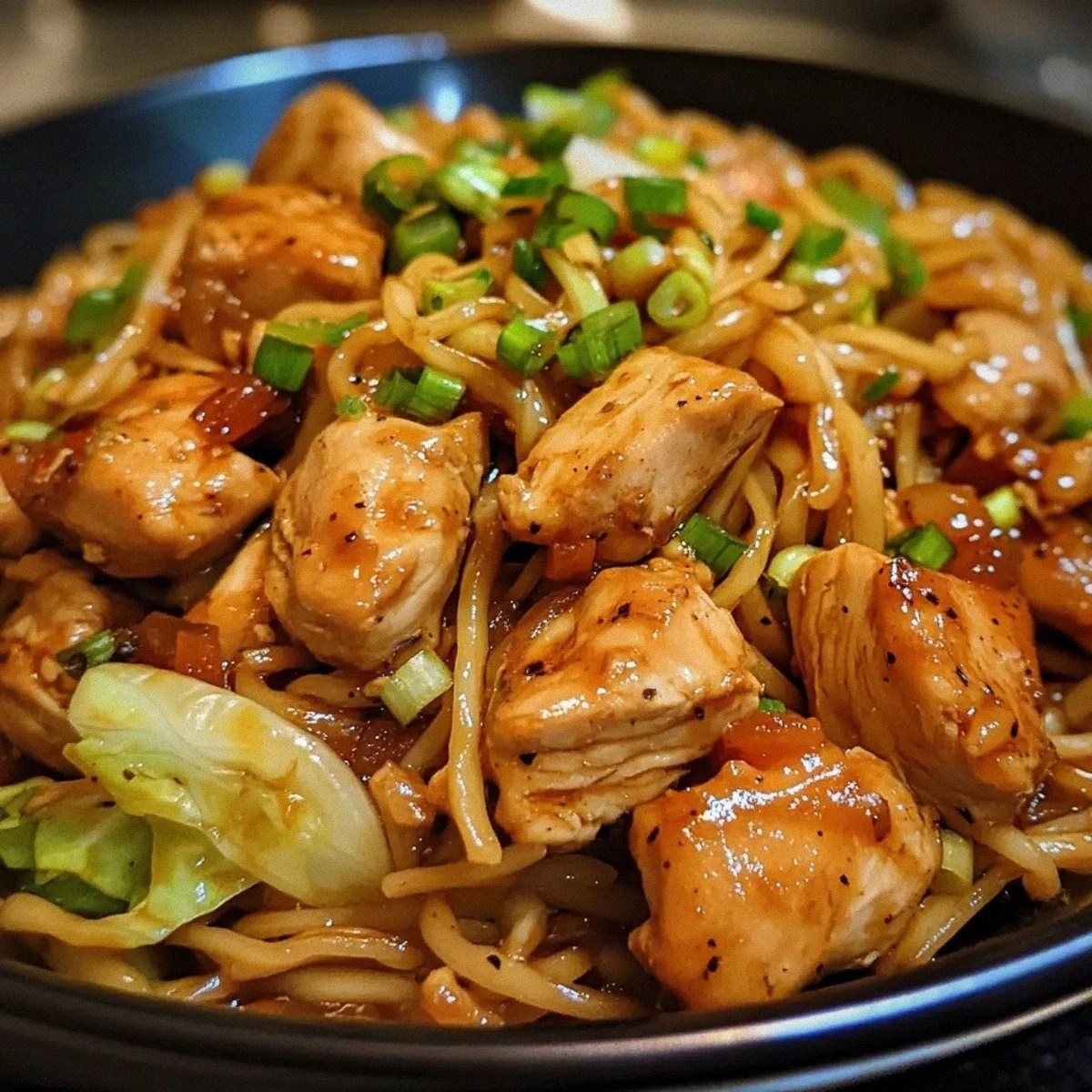
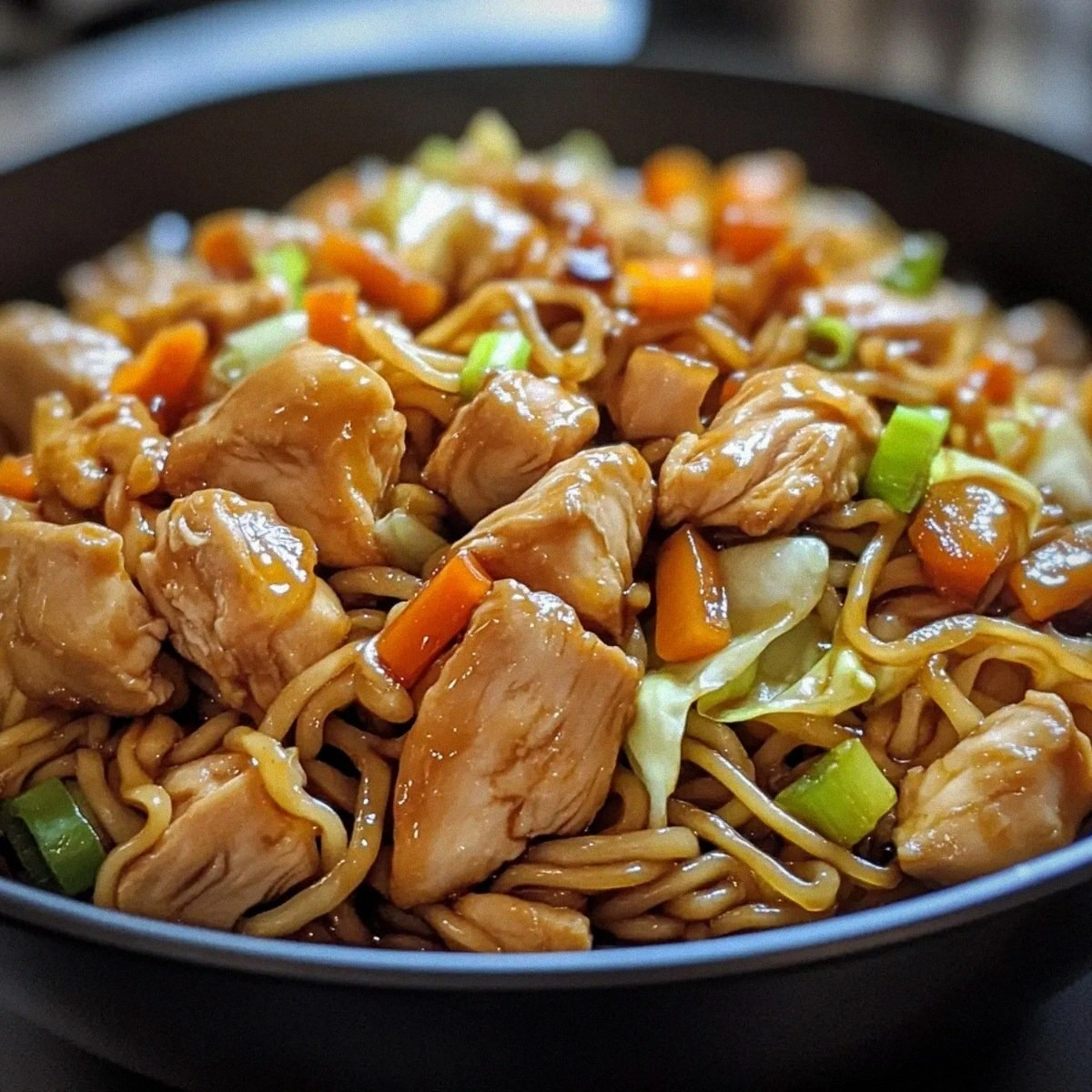
It was a rainy Tuesday night, the kind where the sky looks like a watercolor wash and the only thing you crave is something warm, comforting, and a little bit exciting. I remember pulling out a battered wok from the back of my cabinet, the metal still smelling faintly of the many stir‑fries I’d made over the years. As the oil began to shimmer, the kitchen filled with the unmistakable sizzle that makes you feel like you’re about to create magic. The moment you lift the lid, a cloud of fragrant steam hits you – a blend of garlic, sesame, and a whisper of caramelized soy that instantly turns the whole house into a bustling street‑food market.
What makes this chicken chow mein different from the takeout version you get on a lazy weekend? It’s the balance of textures – tender chicken, crisp cabbage, and noodles that stay perfectly al‑dente, all coated in a glossy sauce that clings like a silky veil. I’ve spent countless evenings tweaking the ratios of oyster sauce to Shaoxing wine, and trust me, the secret I discovered will change the way you think about weeknight meals. Have you ever wondered why restaurant versions taste so different? The answer lies in a few simple tricks that most home cooks overlook, and I’m about to spill them all.
But wait – there’s a twist that will take this dish from “good” to “wow, I need to make this every night.” I won’t reveal it just yet; let’s first walk through the story of how this recipe became a family favorite, and then you’ll see why it’s poised to become yours too. Imagine the bright orange of the carrot, the deep green of the scallions, and the glossy brown of the sauce dancing together in the pan. The aroma alone is enough to make anyone’s stomach rumble, and the first bite? It’s a symphony of savory, sweet, and just a hint of heat that makes you close your eyes and smile.
Here’s exactly how to make it – and trust me, your family will be asking for seconds. The steps are straightforward, the ingredients are pantry‑friendly, and the result is a dish that feels both indulgent and home‑cooked. Ready to dive in? Grab your wok, your favorite chicken, and let’s turn an ordinary weeknight into a culinary celebration. The best part? You’ll finish this article with a secret tip that most chefs keep under lock and key.
🌟 Why This Recipe Works
- Flavor Depth: The combination of Shaoxing wine, oyster sauce, and a touch of sugar creates a layered umami profile that mimics the complexity of restaurant‑style chow mein without the need for hard‑to‑find ingredients.
- Texture Harmony: By briefly stir‑frying the vegetables and then adding the noodles at the end, you preserve the crunch of cabbage and carrots while keeping the noodles silky and slightly chewy.
- Speed and Simplicity: This dish comes together in under 45 minutes, making it perfect for busy weekdays when you still want something that feels special.
- Versatility: Swap chicken for shrimp, tofu, or even beef, and the sauce will still cling beautifully, proving the recipe is a flexible canvas for your pantry.
- Nutrition Boost: Lean protein from the chicken, fiber‑rich cabbage, and carrots provide a balanced meal that doesn’t skimp on vitamins or minerals.
- Ingredient Quality: Using fresh chow mein noodles and high‑quality soy and oyster sauces elevates the dish from ordinary to extraordinary.
- Crowd‑Pleaser Factor: The bright colors and familiar flavors make it a hit with both kids and adults, ensuring that everyone at the table leaves satisfied.
- Easy Cleanup: One wok, one cutting board, and a few spoons – the cleanup is as quick as the cooking, leaving you more time to enjoy the meal.
🥗 Ingredients Breakdown
The Foundation: Protein & Carbohydrate
The star of this dish is 1 pound boneless chicken breast or thighs. I prefer thighs because they stay juicy even when cooked quickly over high heat, but breast works if you like a leaner bite. The chicken is first marinated in 2 tablespoons Shaoxing wine and 1 tablespoon cornstarch, which not only adds a subtle sweetness but also creates a protective barrier that locks in moisture. If you can’t find Shaoxing wine, a dry sherry or a splash of mirin works as a decent substitute, though the flavor will shift slightly. The 8 ounces fresh chow mein noodles are the carbohydrate backbone; they’re slightly thicker than instant noodles, giving the dish a satisfying chew. Soak them briefly in warm water before cooking to prevent them from breaking apart.
Aromatics & Spices: The Flavor Engine
Two cloves of garlic, minced finely, release a pungent aroma that instantly awakens the senses. I like to let the garlic sizzle just until it turns golden, because that’s when its natural sugars caramelize, adding depth without bitterness. 1 medium Anaheim pepper brings a mild heat and a hint of smokiness – perfect for those who enjoy a gentle kick without overpowering the dish. If you crave more spice, a dash of red pepper flakes can be added later. The 1/2 teaspoon white pepper offers a subtle earthiness that balances the soy’s saltiness, and it’s a classic addition in many Chinese stir‑fries.
The Secret Weapons: Sauces & Seasonings
The sauce is a blend of 2 tablespoons oyster sauce, 2 tablespoons soy sauce, 1 teaspoon sugar, and 1 tablespoon sesame oil. Oyster sauce brings a briny umami that’s richer than soy alone, while the soy sauce adds salty depth. The teaspoon of sugar is the hidden hero – it rounds out the flavors and helps the sauce caramelize on the noodles, giving that coveted glossy sheen. Sesame oil, added at the end, contributes a nutty aroma that makes the dish feel finished and luxurious. A splash of 1 cup chicken broth loosens the sauce, ensuring it coats every noodle strand without clumping.
Finishing Touches: Veggies & Fresh Herbs
2 cups shredded cabbage provide a crisp bite and absorb the sauce beautifully. I always slice it thinly so it cooks in seconds, preserving its crunch. The 1 medium carrot, julienned, adds a sweet pop of color and a subtle earthiness that pairs well with the savory sauce. 1/4 cup green onions are sprinkled at the end for a fresh, oniony bite that brightens the dish. Finally, 2 tablespoons peanut oil is used for stir‑frying because its high smoke point ensures the wok stays hot without burning, and it imparts a faint nutty flavor that complements the sesame oil.
With your ingredients prepped and ready, let's get cooking. Here’s where the fun really begins…
🍳 Step-by-Step Instructions
🔐 Expert Tips for Perfect Results
The Taste Test Trick
Before you finish cooking, always take a small bite and check for balance. The sauce should have a harmonious blend of salty, sweet, and umami, with a hint of peppery heat. If the flavor feels flat, a splash of extra soy sauce or a pinch more sugar can revive it. I once served this dish to a chef friend who said the “taste test” at the end is the secret that separates a home‑cooked meal from a restaurant plate.
Why Resting Time Matters More Than You Think
After you finish stir‑frying, let the wok sit for about 30 seconds before plating. This short rest allows the sauce to thicken just enough to cling to every noodle strand. Trust me on this one: the difference between a glossy finish and a watery mess often comes down to that brief pause.
The Seasoning Secret Pros Won’t Tell You
A dash of toasted sesame seeds added at the very end adds a subtle crunch and a nutty depth that many home cooks miss. It’s a tiny detail that makes the dish feel more sophisticated. If you want to get even more adventurous, a few drops of chili oil can add a sophisticated heat without overwhelming the other flavors.
Noodle Prep Perfection
Fresh chow mein noodles can be a bit delicate. To avoid breakage, gently separate them with your fingers while they’re still damp, and never force them apart with a fork. I once tried to pull them apart with a fork and ended up with a clump of mushy noodles – a lesson learned the hard way.
Balancing Crunch and Softness
If you love extra crunch, add a handful of sliced water chestnuts or bamboo shoots right after the vegetables. They stay crisp even after the sauce coats them, providing a delightful contrast. The best part? They’re still low‑calorie, so you get texture without extra heaviness.
The Magic of High‑Heat Stir‑Fry
A hot wok is essential. When the wok is properly heated, the food sears quickly, sealing in juices and creating that coveted “wok‑hei” (breath of the wok) flavor. If you’re using a non‑induction stove, pre‑heat the wok for a full minute before adding oil – this ensures the surface is hot enough to give you that signature sizzle.
🌈 Delicious Variations to Try
One of my favorite things about this recipe is how versatile it is. Here are some twists I've tried and loved:
Spicy Szechuan Kick
Add 1 teaspoon of Szechuan peppercorn oil and a pinch of crushed red pepper flakes during step 5. The numbing heat of Szechuan pepper adds a thrilling zing that pairs beautifully with the sweet sauce. Expect a flavor profile that’s bold, tingling, and unforgettable.
Citrus‑Infused Shrimp Chow Mein
Swap the chicken for 12 ounces of peeled shrimp, and finish the dish with a squeeze of fresh lime juice just before serving. The citrus brightens the umami sauce, making the dish feel lighter and more refreshing – perfect for a summer evening.
Veggie‑Heavy Garden Delight
Replace the chicken with an extra cup of mixed vegetables such as bell peppers, snap peas, and broccoli. Use a splash of vegetable broth instead of chicken broth to keep it vegetarian. This version is colorful, nutrient‑dense, and still satisfies that craving for a saucy noodle dish.
Teriyaki Glaze Twist
Swap half of the soy sauce for a high‑quality teriyaki sauce and add a drizzle of honey. The result is a sweeter, caramelized glaze that coats the noodles like a glossy amber. It’s a crowd‑pleaser for those who love a touch of sweetness in their savory meals.
Peanut‑Butter Crunch
Stir in a tablespoon of smooth peanut butter with the sauce in step 5. The peanut butter adds a creamy, nutty depth that pairs surprisingly well with the soy‑based sauce. Top with crushed peanuts for an added crunch that turns the dish into a textural masterpiece.
Thai‑Inspired Coconut Curry
Add 2 teaspoons of red curry paste and replace the chicken broth with coconut milk. The curry gives the dish a fragrant, tropical twist, while the coconut milk adds richness without overwhelming the noodles. Serve with a sprinkle of fresh cilantro for an aromatic finish.
📦 Storage & Reheating Tips
Refrigerator Storage
Allow the chow mein to cool to room temperature before transferring it to an airtight container. It will keep fresh for up to 3 days in the fridge. When storing, try to keep the noodles and sauce together to maintain flavor; separating them can cause the noodles to dry out.
Freezing Instructions
Portion the chow mein into freezer‑safe bags, removing as much air as possible. It freezes well for up to 2 months. To thaw, place the bag in the refrigerator overnight, then reheat in a skillet with a splash of chicken broth to revive the sauce.
Reheating Methods
The trick to reheating without drying it out? A splash of broth or water, then stir‑fry over medium heat for 3‑4 minutes until everything is hot and glossy again. If you prefer a microwave, cover the bowl with a damp paper towel and heat in 30‑second intervals, stirring in between, until steaming hot.
❓ Frequently Asked Questions
Can I use dried chow mein noodles instead of fresh?
What if I don’t have Shaoxing wine?
Can I make this dish gluten‑free?
How do I keep the vegetables crisp?
Can I add more spice without changing the flavor profile?
Is it okay to use chicken thighs with skin?
What’s the best way to reheat leftovers without losing texture?
Can I add a protein other than chicken?
Transfer the chow mein to a serving platter or individual bowls, letting the steam rise like a fragrant cloud. Serve immediately while the noodles are still hot and the sauce is glossy. For an extra touch, garnish with a few extra green onion slices or a sprinkle of toasted sesame seeds if you have them on hand. Go ahead, take a taste — you’ll know exactly when it’s right.
Similar Recipes
 Dinner
Savory Sausage and Spinach Stuffed Shells Recipe
Delicious Savory Sausage and Spinach Stuffed Shells Recipe
 Dinner
Creamy White Bolognese Delight Recipe
Delicious Creamy White Bolognese Delight Recipe
 Dinner
Picnic Dinner Ideas Families Will Love for Unforgettable Moments
Learn how to make delicious Picnic Dinner Ideas Families Will Love for Unforgettable Moments. Easy recipe…
 Dinner
Hearty Turken Herbang Creamy Bake Delight
Delicious Hearty Turken Herbang Creamy Bake Delight
 Dinner
Sweet and Spicy BBQ Pulled Jackfruit Sandwiches
Delicious Sweet and Spicy BBQ Pulled Jackfruit Sandwiches
 Dinner
Cheesy Beef & Rice Delight: A Comforting Family Meal
Delicious Cheesy Beef & Rice Delight: A Comforting Family Meal
 Dinner
French Onion Salisbury Steak Recipe
Learn how to make delicious French Onion Salisbury Steak Recipe. Easy recipe with step-by-step instructions.
 Dinner
Meat Lovers Pizza Tacos: The Perfect Fusion of Flavor and Convenience
Delicious Meat Lovers Pizza Tacos: The Perfect Fusion of Flavor and Convenience

Clara
I cook these recipes at home before they ever land here — simple ingredients, clear steps.