Tanghulu Candied Fruit: Ultimate Chinese Street Food Recipe Guide
 Save
Save
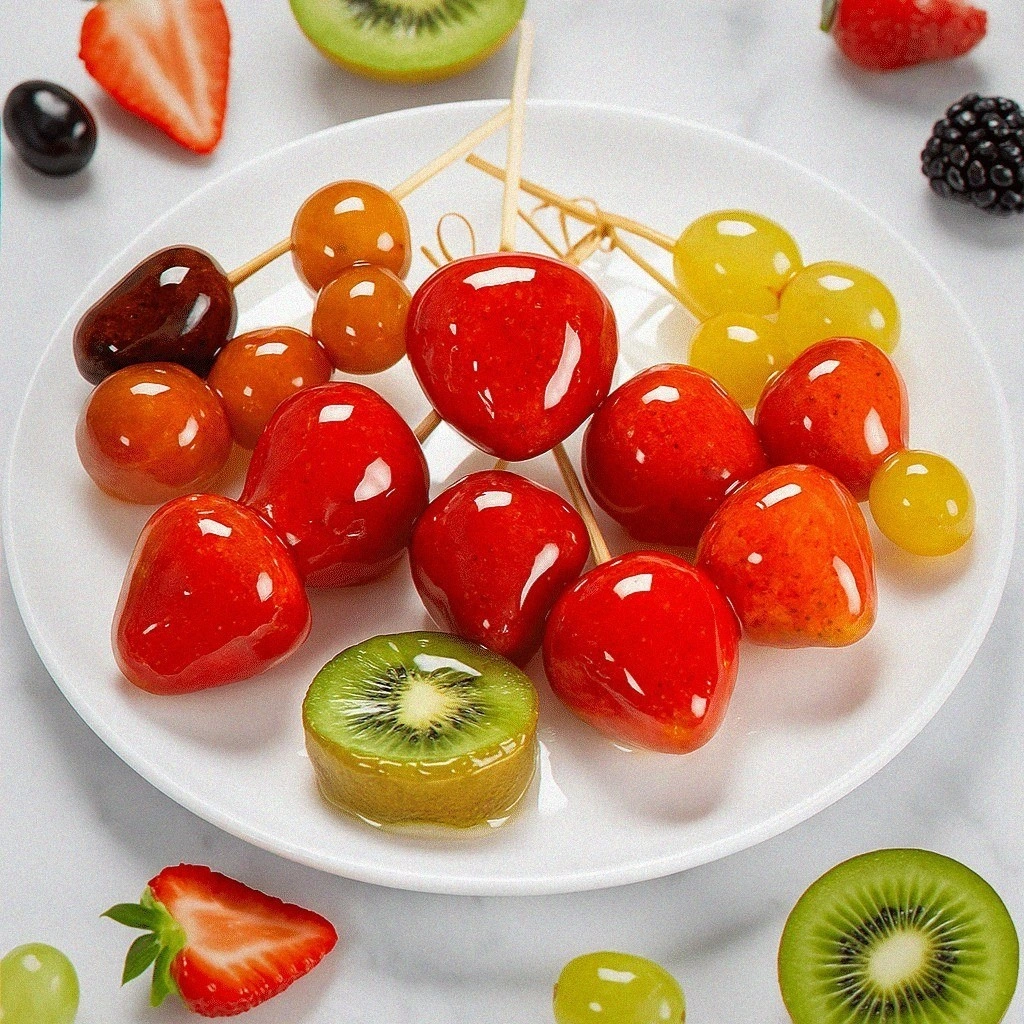
It was a crisp winter evening in my grandparents’ courtyard, the kind of night when the air smells like pine and the distant chatter of a bustling night market drifts in on the wind. I remember the bright red glow of a wooden stall, the sizzling sound of sugar syrup hitting a hot pan, and the way the scent of caramelized fruit wrapped around me like a warm blanket. My grandmother, with flour dusted on her hands, lifted a skewer of glossy, ruby‑red strawberries and handed it to me, the sugar coating catching the lantern light and cracking delicately as I bit into it. That first bite was a burst of sweet‑tart fireworks, a texture that was simultaneously crisp on the outside and juicy on the inside, and it sparked a lifelong love affair with Tanghulu.
Fast forward a few decades, and the memory still feels vivid. The crack of the hardened sugar shell, the glossy sheen that makes each piece look like a tiny jewel, and the way the fruit’s natural flavor shines through the sweet glaze—all of that magic can be recreated in your own kitchen. Tanghulu isn’t just a snack; it’s a cultural experience that brings the energy of Chinese street festivals right to your countertop. And the best part? You don’t need a professional candy‑making setup, just a few simple ingredients, a sturdy skewer, and a willingness to experiment a little.
What makes this recipe stand out from the countless variations you’ll find online is the balance between authenticity and approachability. I’ve distilled the technique down to a series of clear, manageable steps, each peppered with the little secrets I’ve learned from my family’s kitchen. From selecting the perfect fruit to mastering the sugar syrup’s temperature, you’ll discover why each element matters and how a tiny tweak can transform the final result from good to unforgettable. Have you ever wondered why the street‑vendor version always seems crispier and shinier? You’ll find out soon.
But wait—there’s a secret ingredient that most home cooks skip, and it’s the key to that glossy, glass‑like finish you see on the stalls of Beijing. I’ll reveal it in the “Ingredients Breakdown” section, and trust me, once you try it, you’ll never go back. Ready to bring the sparkle of a night market into your kitchen? Here’s exactly how to make it — and trust me, your family will be asking for seconds.
🌟 Why This Recipe Works
- Flavor Depth: The combination of fresh, slightly tart fruit with a caramelized sugar coating creates a layered taste experience that dances on the palate. The fruit’s natural juices mingle with the sugar, preventing the candy from becoming overly cloying.
- Texture Contrast: The hard, glass‑like shell provides a satisfying crunch that gives way to a juicy interior, delivering that iconic “crack‑and‑burst” sensation that makes Tanghulu addictive.
- Ease of Execution: By breaking the process into bite‑size steps, even a beginner can achieve professional‑grade results without specialized equipment.
- Time Efficiency: From prep to plating, the whole recipe fits comfortably into a 45‑minute window, perfect for a weekend treat or an impressive party snack.
- Versatility: While strawberries are classic, the method works equally well with grapes, kiwi, pineapple, or even exotic fruits like dragon fruit, letting you tailor the dish to seasonal produce.
- Nutrition Balance: Using fresh fruit means you still get vitamins, fiber, and antioxidants, while the sugar coating adds only a modest calorie boost, making it a guilt‑free indulgence.
- Ingredient Quality: The recipe emphasizes selecting ripe, firm fruit and using pure cane sugar, ensuring the final product looks and tastes premium.
- Crowd‑Pleasing Factor: The visual appeal of glossy, jewel‑like skewers instantly draws attention, making it a show‑stopper at gatherings, fairs, or simple family dinners.
🥗 Ingredients Breakdown
The Foundation: Fresh Fruit
The star of Tanghulu is, of course, the fruit itself. I prefer strawberries because their natural acidity balances the sweet glaze, but any firm, low‑water‑content fruit works. Look for berries that are deep red, glossy, and free of bruises; a firm fruit will hold the skewer better and won’t release excess water into the sugar syrup, which could cause crystallization. If you opt for grapes, choose seedless varieties that are tightly packed; for kiwi, slice them into thick wedges to avoid sogginess. A quick tip: dry the fruit thoroughly with a paper towel before skewering—moisture is the enemy of a clean, crackly shell.
Aromatics & Spices: The Secret Boost
While the classic street version keeps it simple, adding a pinch of lemon zest or a splash of vanilla extract to the syrup can elevate the flavor profile dramatically. Lemon zest introduces a bright citrus note that cuts through the sugar’s richness, while vanilla adds a warm, comforting undertone. If you’re feeling adventurous, a pinch of ground ginger or a few drops of rose water can give your Tanghulu an exotic twist that surprises the palate. Remember, these additions are optional but can turn a good snack into an unforgettable one.
The Secret Weapons: Sugar & Acid
Pure cane sugar is the backbone of the glaze, providing that clear, glossy finish. I use a 1:1 ratio of sugar to water, but the real magic is a small amount of cream of tartar or a few drops of lemon juice. This acid stabilizes the sugar, preventing unwanted crystallization and ensuring a smooth, glass‑like coating. If you don’t have cream of tartar, a teaspoon of white vinegar works just as well. The acid also adds a subtle tang that balances the overall sweetness, making each bite more complex.
Finishing Touches: Skewers & Presentation
Bamboo skewers are traditional because they’re sturdy, heat‑resistant, and add a rustic charm. Soak them in water for at least 10 minutes before use; this prevents them from burning when you dip the fruit into the hot syrup. For a modern twist, you can use stainless steel or wooden cocktail picks, but the bamboo’s natural look pairs beautifully with the glossy fruit. Finally, a dusting of edible gold leaf or a drizzle of dark chocolate can turn your Tanghulu into a dessert fit for a celebration.
With your ingredients prepped and ready, let's get cooking. Here's where the fun really begins...
🍳 Step-by-Step Instructions
🔐 Expert Tips for Perfect Results
The Taste Test Trick
Before you commit to a full batch, dip a single piece of fruit and let it set. This mini‑test lets you gauge the sugar’s hardness and the fruit’s flavor balance. I once made a batch that was too sweet because I used extra sugar; the test piece saved me from serving a dessert that was cloying rather than delightful. Adjust the sugar ratio or add a pinch more lemon juice based on that quick trial.
Why Resting Time Matters More Than You Think
After the glaze sets, let the skewers rest at room temperature for at least 10 minutes before serving. This resting period allows the sugar crystals to fully stabilize, preventing any unexpected cracking when you bite in. I learned this the hard way when I tried to serve them immediately and the shells shattered into a sugary mess. Patience truly pays off here.
The Seasoning Secret Pros Won’t Tell You
A dash of sea salt on the hot sugar just before it hardens creates a subtle contrast that heightens the fruit’s natural sweetness. It’s a technique used by professional confectioners to add depth without overwhelming the palate. Sprinkle the salt sparingly—just enough to see tiny specks on the glaze. The result is a sophisticated sweet‑salty bite that keeps your guests reaching for more.
Temperature Control Is Everything
Even a few degrees off can change the texture dramatically. If the syrup is too hot, the coating becomes brittle and may crack under slight pressure. If it’s too cool, it stays sticky and never fully hardens. Using a reliable candy thermometer eliminates guesswork and ensures consistent results every time you make Tanghulu.
The Art of Skewer Placement
Insert the skewer through the fruit’s natural center of mass; for strawberries, that’s the stem side. This positioning balances the weight, making the skewer easier to handle and preventing the fruit from wobbling while you dip it. I once placed a skewer too close to the edge, and the fruit slipped, causing a messy glaze spill. A well‑placed skewer is the unsung hero of a clean, professional finish.
🌈 Delicious Variations to Try
One of my favorite things about this recipe is how versatile it is. Here are some twists I've tried and loved:
Citrus‑Zest Tanghulu
Add zest from a Mandarin orange or lemon to the sugar syrup. The citrus oils infuse the glaze with a bright, aromatic note that cuts through the sweetness, making each bite feel lighter. This variation pairs especially well with pineapple chunks or orange segments.
Spiced Autumn Harvest
Incorporate a pinch of ground cinnamon, star anise, and a splash of maple syrup into the sugar mixture. The warm spices give the Tanghulu a cozy, autumnal vibe, perfect for a chilly evening. Try using apple slices or pear wedges for a seasonal twist.
Chocolate‑Coated Dream
After the sugar shell sets, dip half of each fruit into melted dark chocolate and let it harden. The combination of crisp sugar, juicy fruit, and velvety chocolate creates a multi‑textured treat that feels indulgent yet balanced. I love this version with strawberries and kiwi for a pop of color.
Tropical Tango
Swap out the traditional berries for mango cubes, papaya slices, or even lychee. The tropical fruits bring a natural sweetness that pairs beautifully with the caramelized sugar. Add a hint of coconut milk to the syrup for an exotic flair.
Savory‑Sweet Fusion
For an adventurous palate, try a glaze made with sugar, soy sauce, and a dash of chili flakes. The resulting sweet‑salty‑spicy coating works surprisingly well with grapes or even cherry tomatoes, turning Tanghulu into an unexpected appetizer. This version is a conversation starter at any gathering.
📦 Storage & Reheating Tips
Refrigerator Storage
Store leftover Tanghulu in an airtight container lined with parchment paper to prevent the shells from sticking together. Keep them in the refrigerator for up to three days; the cool environment preserves the crispness of the sugar coating while keeping the fruit fresh. Before serving, let them sit at room temperature for about 10 minutes to regain their full snap.
Freezing Instructions
If you want to make a larger batch ahead of time, place the cooled skewers on a tray and freeze them individually. Once frozen, transfer them to a zip‑top bag. They’ll keep for up to a month. When you’re ready to enjoy them, reheat briefly in a preheated oven at 250°F (120°C) for 5‑7 minutes—this restores the glaze’s shine without melting it.
Reheating Methods
The trick to reheating without drying it out? A splash of water in a pan over low heat, then quickly re‑dip the fruit for a few seconds. This revives the glossy surface and restores the crisp snap. Avoid microwaving, as it can make the sugar sticky and uneven.
❓ Frequently Asked Questions
Can I use other types of sugar?
What if my sugar coating turns grainy?
Can I make Tanghulu without a candy thermometer?
Is it okay to use wooden cocktail picks instead of bamboo skewers?
How do I prevent the fruit from releasing too much juice?
Can I add flavor extracts to the sugar syrup?
What’s the best way to serve Tanghulu at a party?
Is Tanghulu gluten‑free?
Recipe Card


Other Reader Favorites
 Breakfast
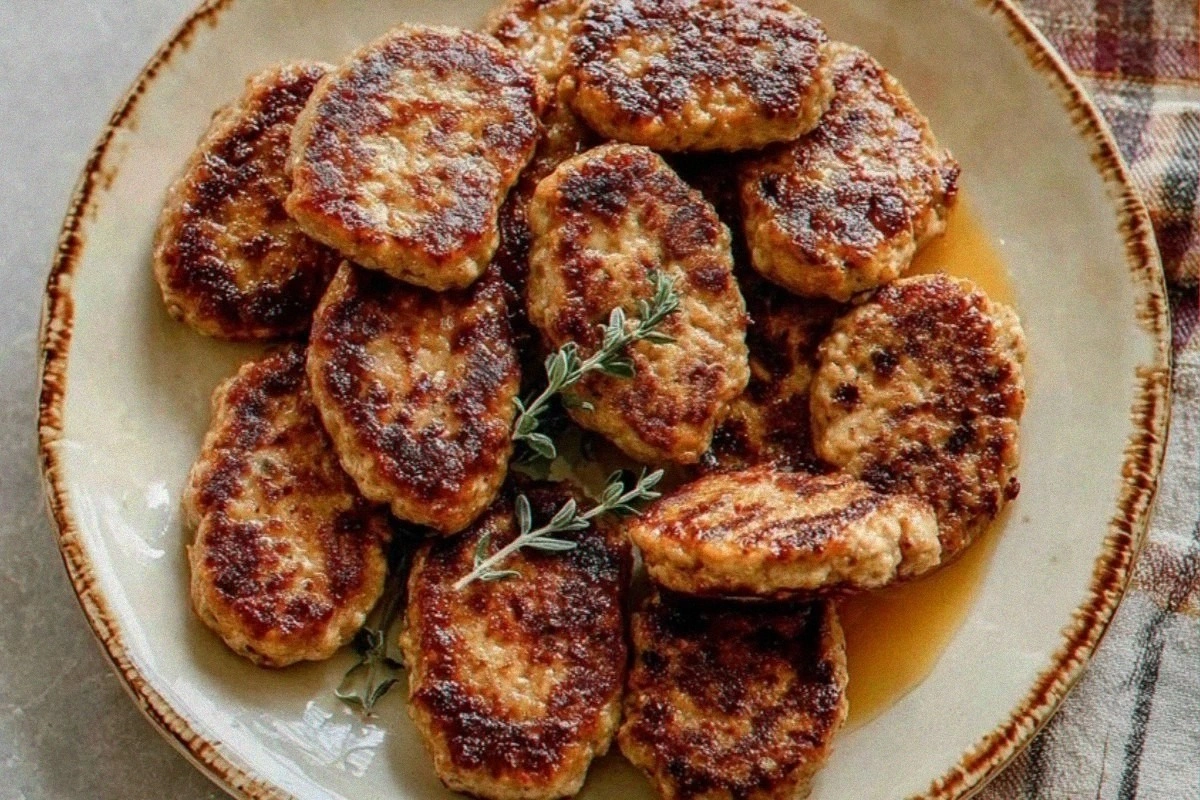
Homemade Maple Chicken Breakfast Sausage
Learn how to make delicious Homemade Maple Chicken Breakfast Sausage. Easy recipe with step-by-step instructions.
 Desserts
Chocolate Strawberry Greek Yogurt Bark: A Healthy Dessert Option
Delicious Chocolate Strawberry Greek Yogurt Bark: A Healthy Dessert Option
 Dinner
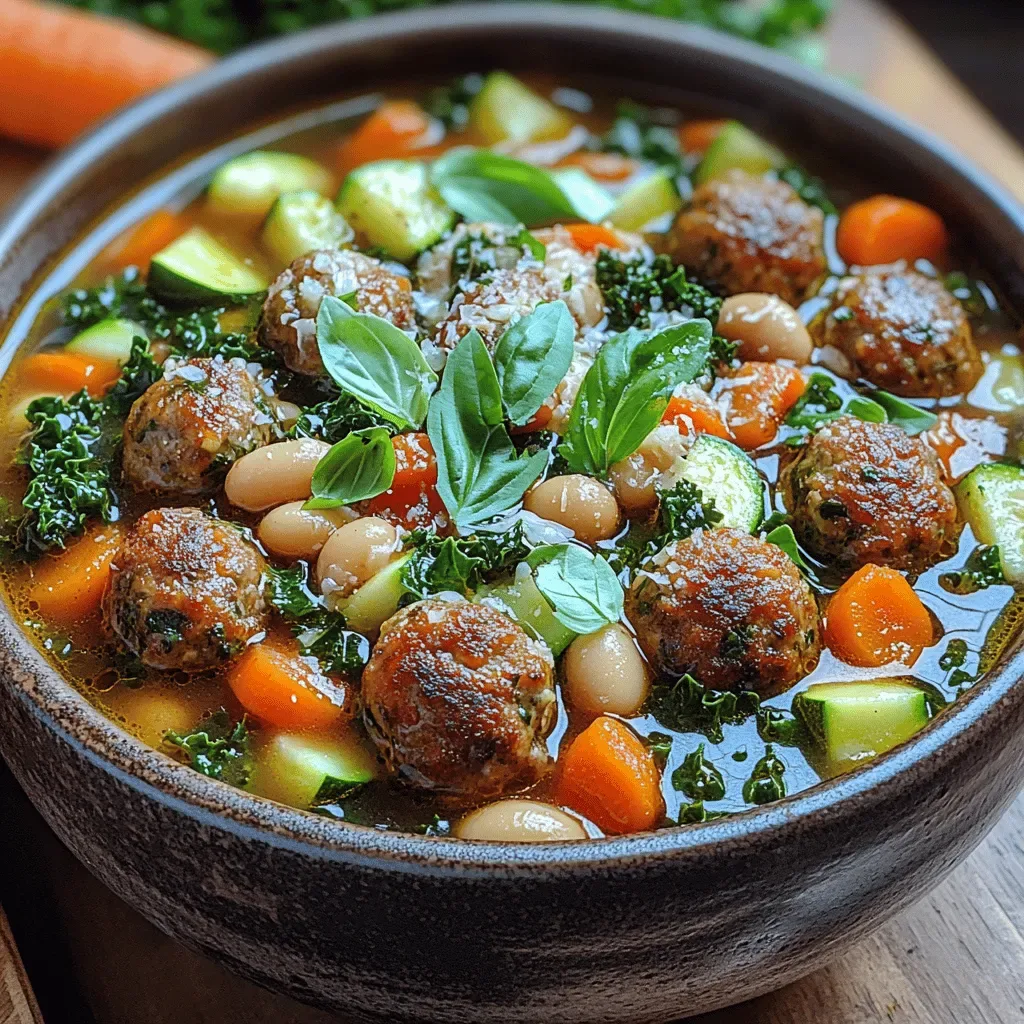
Italian Meatball Delight Soup: A Hearty and Wholesome Recipe
Delicious Italian Meatball Delight Soup: A Hearty and Wholesome Recipe
 Desserts
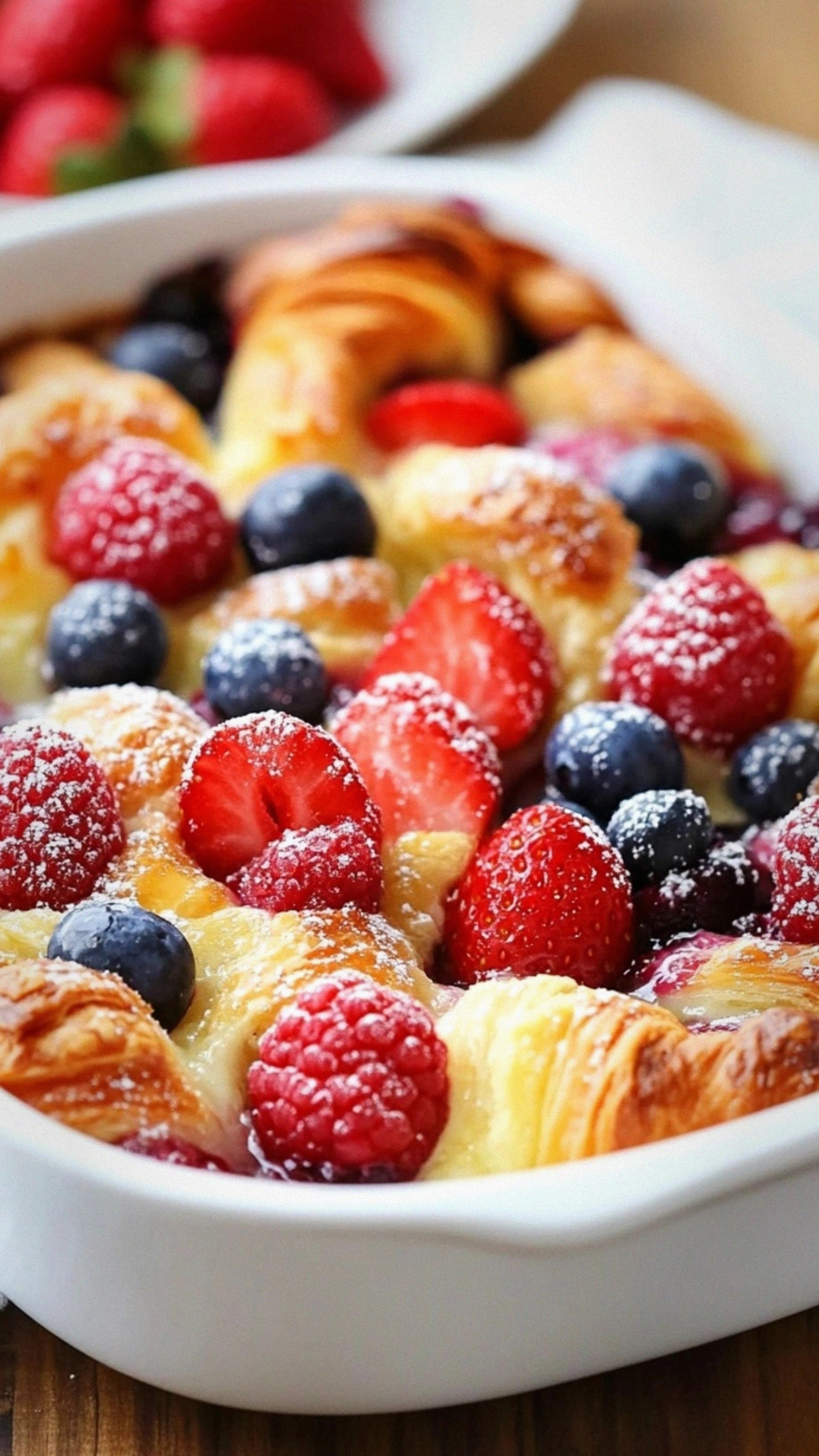
Berry Croissant Bake: A Perfectly Sweet, Creamy, and Buttery Treat for Every Occasion
Learn how to make delicious Berry Croissant Bake: A Perfectly Sweet, Creamy, and Buttery Treat for…